

August 14, 2026
Why Shanghai Might Appear on Your Shipping Documents
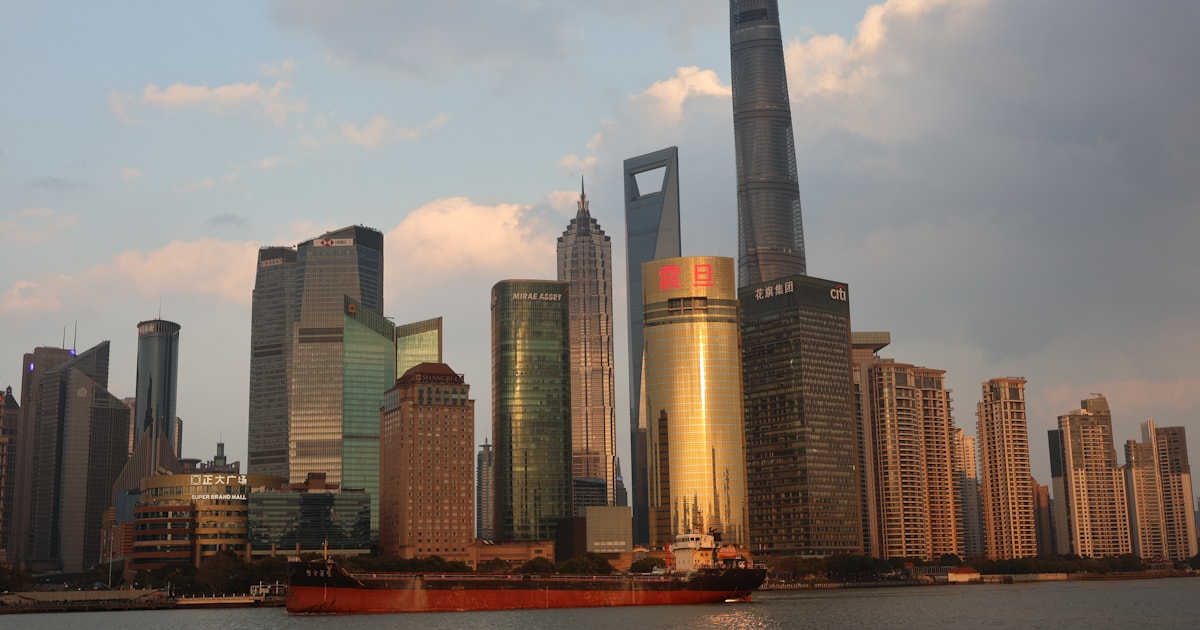
If you have ever looked at your Bill of Lading and seen "Shanghai" listed as the port of loading, even though your supplier's factory is in a completely different city, you are not looking at a mistake. This is normal, and understanding why it happens clears up a genuinely common point of confusion for first-time importers.
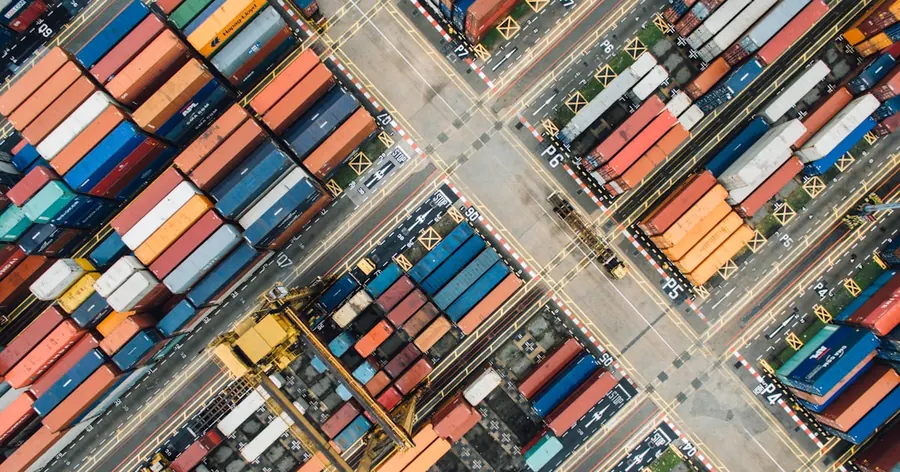
Shanghai is the world's busiest container port
Shanghai handles an enormous volume of container traffic, more than almost any other port in the world. That scale is exactly why it plays such a central role in China's export logistics, even for goods that are manufactured nowhere near the city itself.
Why cargo from other cities routes through Shanghai
China's export logistics generally work on a hub-and-spoke model. Factories in inland or smaller cities consolidate their export cargo and truck it to a major coastal port, commonly Shanghai or Ningbo, rather than every city needing its own large-scale international shipping infrastructure. This is the same pattern behind why goods sourced from an inland hub can end up listing a coastal port as the point of departure: the manufacturing location and the port of loading are simply two different things.
What this means for your shipping documents
On your Bill of Lading, the "Port of Loading" field reflects where the cargo was physically loaded onto the vessel, not where it was manufactured. Seeing a mismatch between your supplier's stated city and the port of loading on your documents is expected in many cases, not a red flag on its own. If you are unsure why a specific document shows a different city, it is always reasonable to ask your supplier or forwarder to explain the route your cargo actually took.
Shanghai vs other major Chinese ports
Shanghai is not the only major port used for exports to Bangladesh. Ningbo, not far from Shanghai, is also a major container port and frequently used for the same kind of inland-to-coast consolidation, including for goods sourced from inland hubs like Yiwu. Which port your cargo actually departs from generally comes down to your supplier's location and your forwarder's routing, rather than something you need to specify yourself.
What to check with your forwarder when Shanghai is your port of loading
- Confirm the port of loading matches what you expected, and if it does not, ask why, since there is usually a straightforward routing explanation
- Ask whether this affects your transit time, since departure port can influence overall schedule depending on the specific routing to Bangladesh
- Don't assume a different port means a different or unreliable supplier, since this is a routine feature of how Chinese export logistics work, not a signal about supplier legitimacy
FAQ
Does it matter which Chinese port my cargo departs from?
It can affect transit time and scheduling, but it is not itself a red flag about your supplier or your goods. It reflects logistics routing, not product origin or quality.
Should I ask my supplier to use a specific port?
Generally, the export routing is best left to your supplier and forwarder to manage efficiently, though you can always ask your forwarder to explain the route if something looks unfamiliar.
Is Shanghai used for both sea and air freight?
Shanghai is primarily significant for sea freight given its container port scale. Air freight routing depends more on airport connections and can differ from sea freight routing entirely, so the two should not be assumed to follow the same path.
If a shipping document shows a port you were not expecting and you want a straightforward explanation, ask us about your specific shipment and we can walk you through the routing.
Ready to ship? Explore our sea freight, air freight, sourcing, and customs clearance services from China to Bangladesh.
Get a Sourcing & Shipping Quote ← All posts
Related Articles
No guide matches that search yet. Ask us on WhatsApp and we will answer.
Tell us what you're shipping.
Product, quantity and delivery city are enough to start. We reply within 24 hours with a door-to-door quote.