

August 11, 2026
What Is a Bill of Lading and Why It Matters for Your Shipment

A Bill of Lading is the one document that actually controls whether you get your cargo. You can have a paid invoice, a completed customs declaration, and cargo sitting physically at the port, and still not be able to take possession of it without this document, or a valid alternative to it. Understanding what it is, and which version you are dealing with, prevents a surprisingly common and stressful hold-up.
What a Bill of Lading actually does
A Bill of Lading serves three functions at once. It is a receipt, proof that the carrier has taken your cargo on board. It is a contract of carriage, setting the terms under which the goods are being shipped. And in its original form, it is a document of title, meaning whoever legally holds it controls the right to claim the cargo at destination. That third function is what makes it so important, and so different from every other shipping document.
The three versions you will actually encounter
Not every shipment uses the same type, and the difference matters:
- Original Bill of Lading — a negotiable document, physically issued in a set of originals. The carrier will only release cargo to whoever presents an original, endorsed correctly. This is the most secure form for the shipper, since it gives them control until they choose to release the originals, but it is also the slowest, since originals typically need to be couriered.
- Telex Release (Express Release) — used when the shipper has decided to release the cargo without requiring the physical original to travel. The shipping line at origin instructs its agent at destination to release cargo without an original being presented, which speeds things up considerably once the shipper agrees to it.
- Sea Waybill — not a document of title at all. It is a receipt and contract only, and cargo is released simply to the named consignee, with no document needing to be presented or surrendered. This is common for shipments between trusted parties, such as between a company and its own overseas branch, where the extra security of a negotiable B/L is not needed.
Why you cannot get your cargo without it
Shipping lines and port authorities will not hand over cargo based on an invoice or a packing list alone. Cargo release depends on the correct version of the Bill of Lading, or its accepted alternative, being properly presented or confirmed. This is a deliberate control, designed to prevent cargo being claimed by the wrong party, and it is why the type of Bill of Lading your supplier chooses to use has a direct, practical effect on how quickly you can actually take delivery once your shipment reaches Chattogram Port.
Who holds the Bill of Lading, and why that matters
Under an original Bill of Lading, the party holding the originals controls the cargo. Some suppliers deliberately hold the original Bill of Lading until final payment is received, using it as leverage, similar in spirit to other secure payment arrangements between importers and Chinese suppliers. This is a normal, legitimate practice, but it means your payment terms and your Bill of Lading type need to be agreed together, not treated as separate conversations.
Common problems importers run into
- Waiting on physical originals — if the supplier insists on an original Bill of Lading and couriers it late, your cargo can sit cleared and ready at the port while you wait for paperwork to physically arrive
- Mismatched consignee details — if the name and details on the Bill of Lading do not exactly match your company's registered details, release can be delayed while it is corrected
- Assuming a Sea Waybill was used when it was not — if you expect a simple named-consignee release but the shipment was actually issued on an original Bill of Lading, you will be caught off guard needing physical documents you do not have on hand
- Not clarifying which type applies before shipment — this should be agreed with your supplier or forwarder before the cargo ships, not discovered after it arrives
How this differs from your other shipping documents
The commercial invoice states the transaction value, and the packing list describes what is physically in each carton, but neither of these controls legal possession of the cargo the way a Bill of Lading does. Our overview of the documents needed to clear customs in Bangladesh covers how all of these documents work together during clearance.
FAQ
Can I clear customs without the original Bill of Lading?
If your shipment was issued as an original (negotiable) Bill of Lading, no, you need it or a valid telex release confirmation. A Sea Waybill shipment does not require a physical document to be presented at all.
What should I ask my supplier or forwarder before shipping?
Ask explicitly which type of Bill of Lading will be issued, and if it is an original, who will hold it and when it will be released to you or your agent.
Is a telex release as secure as an original Bill of Lading?
It is less restrictive by design, since it allows release without a physical original, which is exactly why it should only be used once the shipper is genuinely ready to release control of the cargo.
If you are unsure which type of Bill of Lading your supplier is planning to use, talk to us before you ship so we can make sure it matches how you intend to pay and clear the cargo.
Ready to ship? Explore our sea freight, air freight, sourcing, and customs clearance services from China to Bangladesh.
Get a Sourcing & Shipping Quote ← All posts
Related Articles
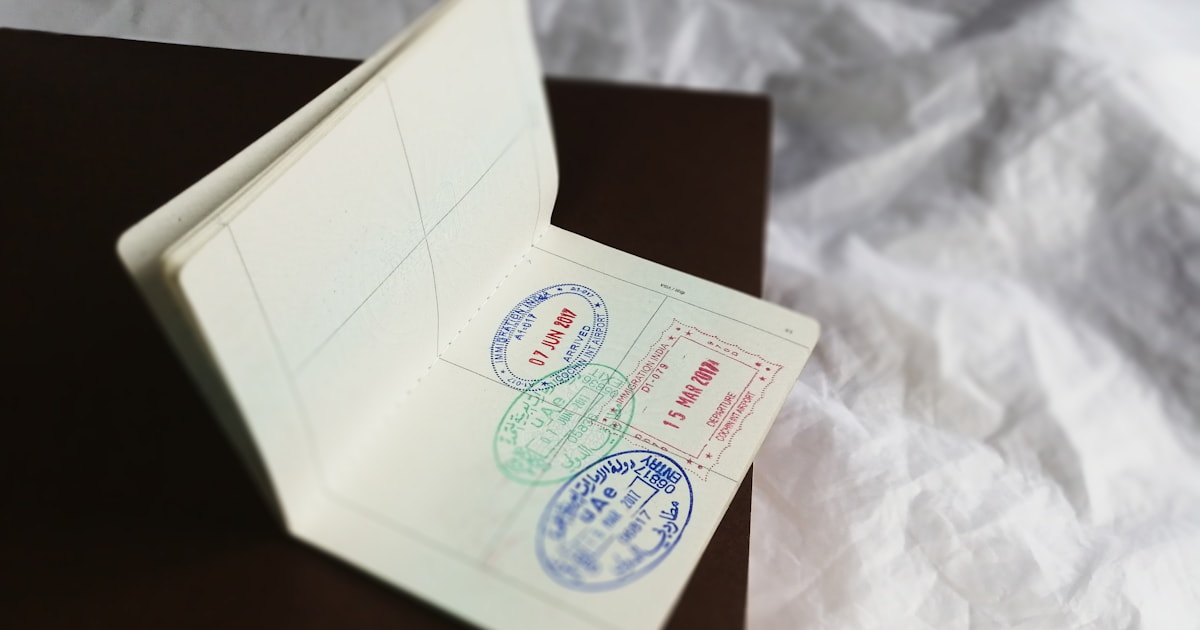
What Documents You Need to Clear Customs in Bangladesh
Read more →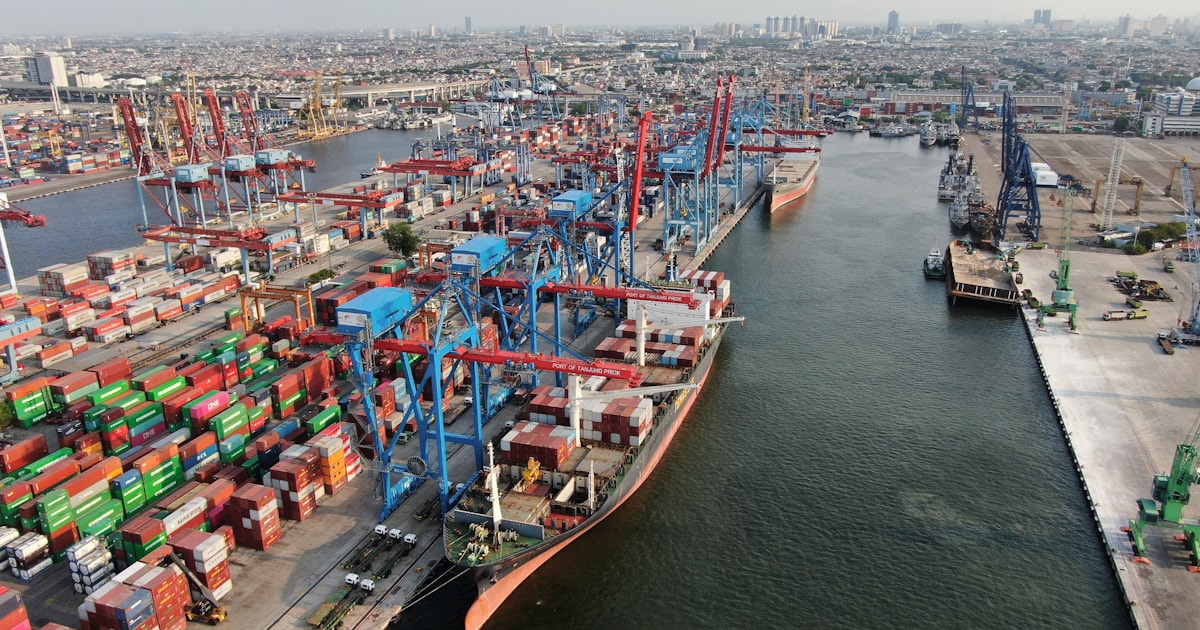
What Happens to Your Cargo After It Arrives at Chattogram Port
Read more →
How to Pay Chinese Suppliers Safely from Bangladesh
Read more →
What Is an Air Waybill and How It Differs from a Bill of Lading
Read more →
Why Shanghai Might Appear on Your Shipping Documents
Read more →
How a Letter of Credit Actually Works (and Where It Goes Wrong)
Read more →
Whose Bill of Lading Are You Holding?
Read more →No guide matches that search yet. Ask us on WhatsApp and we will answer.
Tell us what you're shipping.
Product, quantity and delivery city are enough to start. We reply within 24 hours with a door-to-door quote.