

August 11, 2026
What Happens to Your Cargo After It Arrives at Chattogram Port
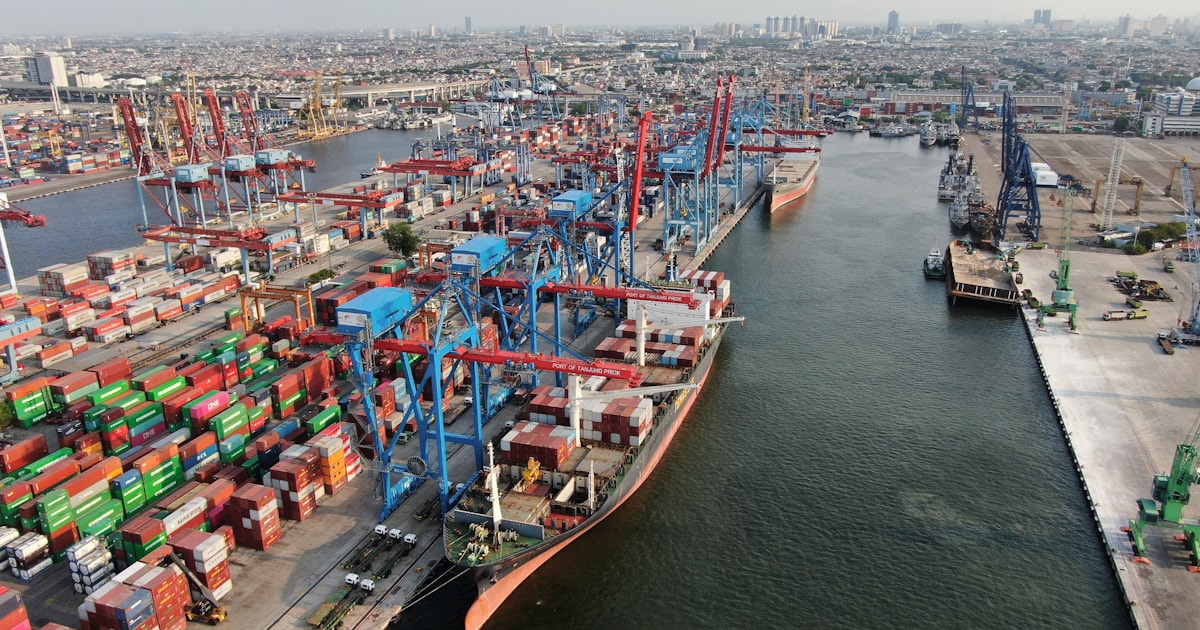
When your container reaches Chattogram Port, the shipment is not finished, it is entering its most time-sensitive phase. What happens between arrival and pickup determines whether your cargo clears quickly and cheaply, or sits racking up storage charges while paperwork catches up. Here is the actual sequence, step by step.
Discharge from the vessel
Once the vessel berths, containers are discharged by the terminal operator and moved into the yard. For FCL, your container is stacked and tracked by its container number. For LCL, your cargo is part of a shared container that must first be discharged, then later deconsolidated at a container freight station before your specific portion is available. This deconsolidation step is one reason LCL shipments often take a little longer to become available than FCL after the same vessel arrives.
The arrival notice and manifest
Before or shortly after arrival, the shipping line or your freight forwarder issues an arrival notice, confirming the vessel has berthed and cargo is available for processing. The cargo also appears on the vessel's import manifest, which customs uses to match your shipment against your declared documents. Nothing else can proceed until your paperwork, the Bill of Lading, commercial invoice, and packing list, is ready and consistent with the manifest.
Filing the bill of entry
Your customs agent or freight forwarder files a bill of entry, the formal customs declaration, using your HS code, declared value, and shipment details. This is the document that actually starts the official clearance clock. An incorrect or incomplete bill of entry is one of the most common causes of delay at this stage, which is why accurate documentation matters more than almost anything else in the process.
Assessment and possible physical examination
Customs reviews the bill of entry and assesses duties and taxes based on your HS code and declared value. Some shipments are cleared on paper alone; others are selected for physical examination, where customs officials open and inspect the cargo against the declared description. Examination selection depends on risk factors that vary shipment to shipment, so it is not something you can reliably predict or avoid, only prepare for with accurate, consistent paperwork.
Paying duties and getting the release order
Once assessment is complete and any examination is cleared, duties and taxes are paid and a release order is issued. This is the point where your cargo is legally free to leave port custody. Any of the earlier steps, including examination or a documentation query, can stall the process before reaching this point.
Pickup and demurrage risk
This is the step importers underestimate most. Ports and terminals allow a limited number of free days before demurrage and storage charges start accruing on cargo that has not been picked up, and these charges can add up quickly on a delayed shipment. Free time allowances and rates change and vary by terminal and carrier, so always confirm current free days with your forwarder as soon as your cargo arrives, not after the free period has already started ticking. The Chattogram Port Authority publishes official port operations information if you want to review current procedures directly.
Common delays and how to avoid them
- Mismatched documents — even small discrepancies between the invoice, packing list, and Bill of Lading can trigger a query and stall clearance
- Missing or incorrect HS code — this affects duty assessment directly and is a frequent cause of re-assessment delays
- Late-arriving original documents — if your Bill of Lading or other originals have not reached your agent in time, clearance cannot start even though the cargo has physically arrived
- Not tracking free-time deadlines — losing track of when free days end is how avoidable demurrage charges happen
- Waiting to appoint a customs agent until after arrival — arranging clearance in advance, before the vessel even berths, gives your agent time to have documents ready to file immediately
FAQ
How long does clearance normally take after a vessel arrives?
It depends heavily on documentation accuracy and whether your shipment is selected for physical examination, so timelines vary. Clean, complete paperwork filed promptly is the single biggest factor within your control.
Does LCL cargo take longer to clear than FCL?
Often slightly longer, mainly because of the extra deconsolidation step at the container freight station before your specific cargo is separated out and available.
What happens if I do not pick up my cargo within the free period?
Demurrage and storage charges begin accruing, billed by the terminal or carrier. These can become significant on a delayed shipment, so tracking your free-time deadline closely matters.
If you would rather not track manifest, bill of entry, and free-time deadlines yourself, tell us about your shipment and we can manage clearance and pickup at Chattogram Port for you.
Ready to ship? Explore our sea freight, air freight, sourcing, and customs clearance services from China to Bangladesh.
Get a Sourcing & Shipping Quote ← All posts
Related Articles
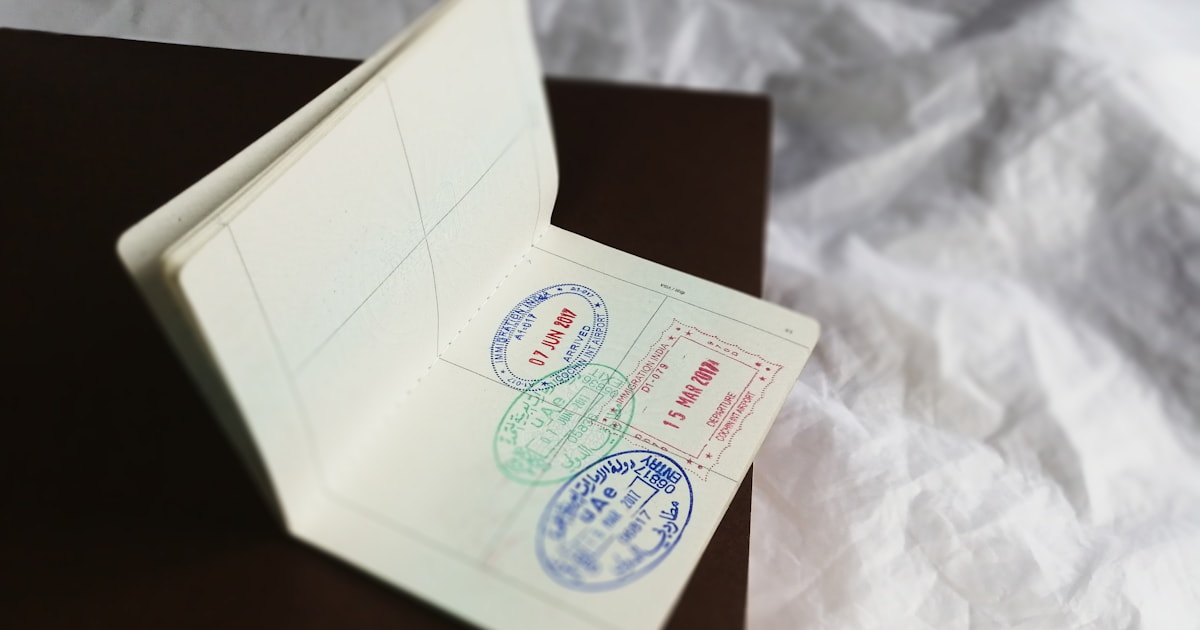
What Documents You Need to Clear Customs in Bangladesh
Read more →
Understanding Import Duties and Taxes in Bangladesh
Read more →
How to Track Your Shipment from China to Bangladesh
Read more →
What Is a Bill of Lading and Why It Matters for Your Shipment
Read more →
How to Choose a Freight Forwarder for China to Bangladesh Shipments
Read more →
What to Expect from Last-Mile Delivery to Dhaka
Read more →
Demurrage and Detention: What They Are and How to Avoid Them
Read more →
What Happens During a Physical Customs Examination
Read more →
Chattogram or Mongla: Does Your Cargo Have to Arrive at Chattogram?
Read more →
What a C&F Agent Actually Does (and How to Choose One)
Read more →
Container Rain: Why Goods Arrive Wet When Nothing Leaked
Read more →
Whose Bill of Lading Are You Holding?
Read more →
Ramadan 2027 and Chinese New Year Fall in the Same Week
Read more →
Container Weight: VGM, Payload Limits and the Road to Dhaka
Read more →No guide matches that search yet. Ask us on WhatsApp and we will answer.
Tell us what you're shipping.
Product, quantity and delivery city are enough to start. We reply within 24 hours with a door-to-door quote.