

September 21, 2026
Whose Bill of Lading Are You Holding?
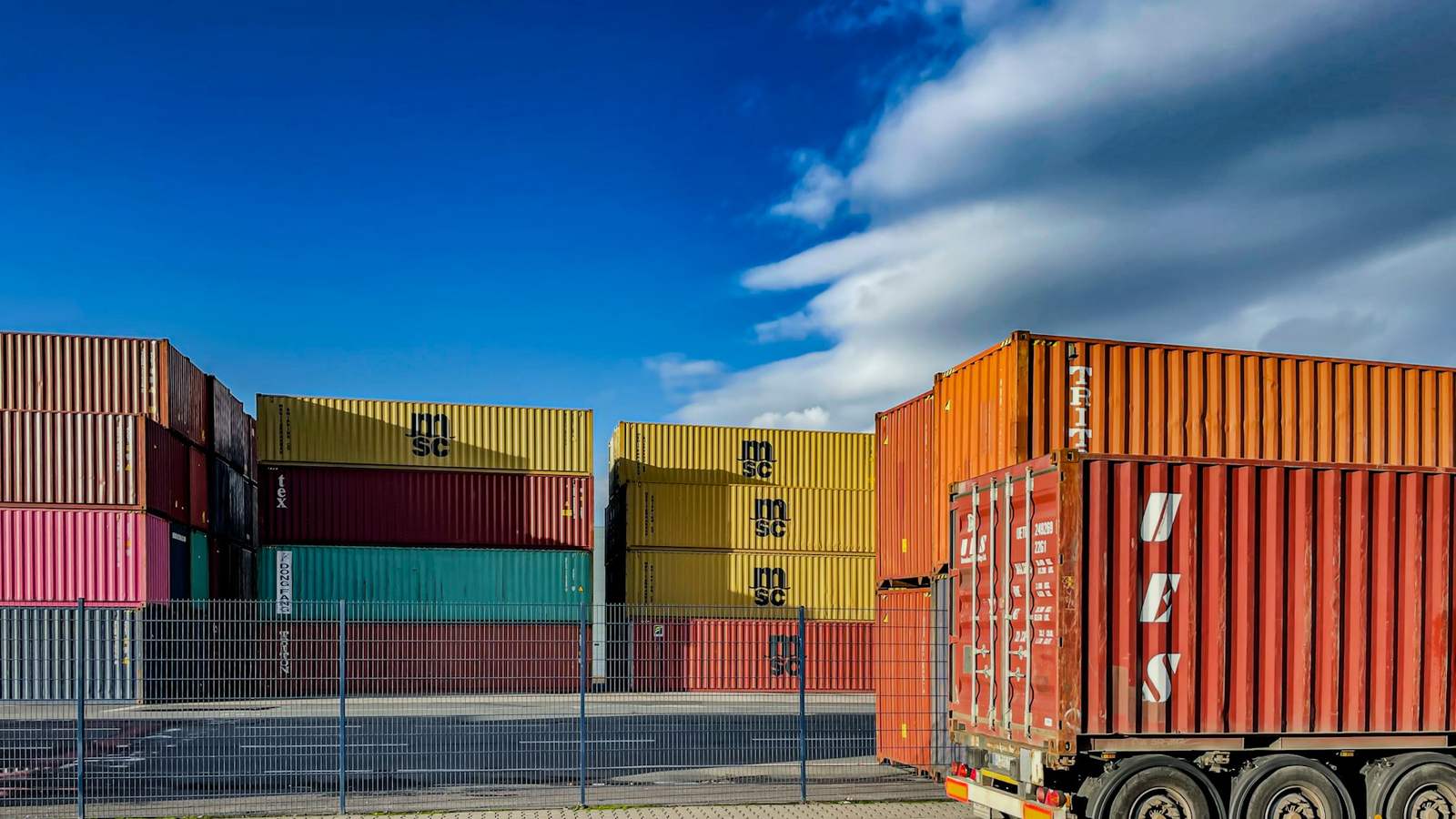
Your forwarder emails the bill of lading. It has a document number, a vessel name, your container numbers and your company as consignee. It looks like the document that controls your cargo.
It may not be. For the same container, there can be two bills of lading in existence, issued by two different parties, and the one you are holding may not be the one the shipping line answers to.
This matters on the day something goes wrong.
Two documents, one container
A master bill of lading is issued by the shipping line, the company that actually operates the vessel. It is issued to whoever booked the space. On a consolidated shipment, that booking party is usually your freight forwarder or an NVOCC, so the master bill typically shows the forwarder as shipper and the forwarder's destination agent as consignee.
A house bill of lading is issued by that forwarder to its own customer. On the house bill, the shipper is the actual exporter and the consignee is you.
Both cover the same cargo on the same vessel. Done properly, the house bill mirrors the master bill on every substantive detail, with only the named parties differing.
There is nothing improper about this. It is how consolidation works: a forwarder books a container, fills it with several importers' cargo, and issues each of them a house bill for their portion. Our guide to LCL and FCL explains why that arrangement exists in the first place.
The release chain nobody explains
Here is the part that decides what happens when there is a problem.
At destination, the shipping line releases the cargo against the master bill, to the party named on it, which is the forwarder's agent. That agent obtains the delivery order from the line. Only then does the forwarder's agent release the cargo to you against your house bill.
Read that again as a sequence of dependencies. Your ability to take delivery depends on a settlement between two parties you have no contract with: your forwarder and the shipping line.
If the forwarder has not paid the line, the line has no obligation to you. You hold a house bill issued by a company that owes money to the carrier holding your container. You have no direct contractual relationship with that carrier to compel delivery, and while this is being resolved, the container is accruing demurrage and detention that somebody will have to pay.
This is not a common event. But it is the specific risk that the house bill structure creates, and most importers have never been told it exists.
What a delivery order actually is
The delivery order is the document that finally gets your goods out, and it is widely misunderstood.
It is not a document of title. It does not prove ownership and it cannot be traded. It is simply an authority, issued at destination, telling the terminal or depot to release specific cargo to a named party.
To get one, the carrier or its agent will normally require the endorsed original bills of lading, or a telex release confirming the originals have been surrendered at origin, or in some cases a bank guarantee. Charges have to be settled and customs formalities completed first. Our guide to what a bill of lading is covers the surrender and telex release mechanics that sit behind this.
Practically, the delivery order is where delays surface: unpaid freight, an original bill still sitting in a bank or a courier bag, or destination charges nobody agreed in advance.
Reading your own bill of lading
Take the document you were sent and check three things.
- Who issued it. Is the letterhead a shipping line, or your forwarder? A house bill is not worse than a line bill, but you should know which one you have
- Whether the details are consistent. Vessel, voyage, container numbers, seal numbers, weights and description should match your other documents. A house bill that does not mirror the master bill in these details is a problem waiting to happen
- Whether you are named correctly. Your company's legal name, spelled as it appears on your import documents, and the consignment terms, whether straight to you or to order
If your shipment is under a letter of credit, the document also has to satisfy the credit. A negotiable FIATA multimodal transport bill of lading, the standard forwarder-issued document, is recognised as conforming with UCP 600 and is routinely accepted by banks, provided it is issued consistently with the credit's terms. But the credit governs. Our guide to how a letter of credit works explains why a document that does not match the terms causes a discrepancy regardless of how ordinary it looks.
Questions worth asking before you book
These belong in the conversation with a forwarder before the cargo moves, not after. They fit alongside the checks in our guide to choosing a freight forwarder.
- Will I receive your house bill or the shipping line's own bill?
- Who is your agent in Chattogram, and are they your own office or a partner?
- What are the destination charges, itemised, in writing? The party controlling release is also the party setting local charges, which is exactly why these should be agreed in advance
- Will you give me the master bill number? With it you can track the container on the shipping line's own website and confirm the shipment exists as described
- What happens if there is a dispute between you and the line?
A competent forwarder answers all of these without hesitation. Reluctance on the last three is itself informative.
If your cargo is held because of the forwarder
Move quickly, because the meter is running.
- Ask the shipping line directly whether the master bill has been released to their agent. The line will usually confirm the status of a container even if you are not their customer
- Put everything in writing with the forwarder, including a request for the delivery order and a note that demurrage is accruing
- Get the numbers. Find out what is actually owed and to whom, because a small disputed amount is not worth a week of storage
- Make a commercial decision, not an emotional one. Paying a charge you dispute in order to release the goods, and pursuing it afterwards, is often cheaper than winning the argument slowly
- Keep the whole record, since your claim against the forwarder afterwards depends on it
The proportionate view
For most shipments, none of this ever comes up. A house bill from a reputable forwarder works exactly as intended, and consolidation saves you real money against booking a full container you cannot fill.
The point is to know what you are holding. A house bill is a contract with your forwarder, not with the ship. That is fine when the forwarder is sound, and it is the whole problem when they are not, which is why the checks belong at the booking stage rather than at the port. Our guide to what happens after arrival at Chattogram sets out the rest of that timeline.
Shipping practice and local procedures vary between carriers, forwarders and ports. Confirm the specifics of your own shipment with your forwarder and C&F agent rather than relying on a general guide.
Ready to ship? Explore our sea freight, air freight, sourcing, and customs clearance services from China to Bangladesh.
Get a Sourcing & Shipping Quote ← All posts
Related Articles

What Is a Bill of Lading and Why It Matters for Your Shipment
Read more →
How to Choose a Freight Forwarder for China to Bangladesh Shipments
Read more →
Demurrage and Detention: What They Are and How to Avoid Them
Read more →
How a Letter of Credit Actually Works (and Where It Goes Wrong)
Read more →
LCL vs FCL: Which Container Option Saves You Money?
Read more →
What Happens to Your Cargo After It Arrives at Chattogram Port
Read more →
Transhipment and Partial Shipment: Two Boxes That Decide Whether Your LC Pays
Read more →
Container Weight: VGM, Payload Limits and the Road to Dhaka
Read more →No guide matches that search yet. Ask us on WhatsApp and we will answer.

Tell us what you're shipping.
Product, quantity and delivery city are enough to start. We reply within 24 hours with a door-to-door quote.