

September 23, 2026
Transhipment and Partial Shipment: Two Boxes That Decide Whether Your LC Pays
There are two boxes on a letter of credit application that most importers tick without much thought: whether transhipment is allowed, and whether partial shipment is allowed.
Both are decisions about physical logistics being made on a banking form, weeks before anything moves. Get either wrong and the consequence arrives later, as documents your bank can refuse.
Transhipment is not really optional on this route
Start with the physical reality, because it determines what the paperwork can sensibly say.
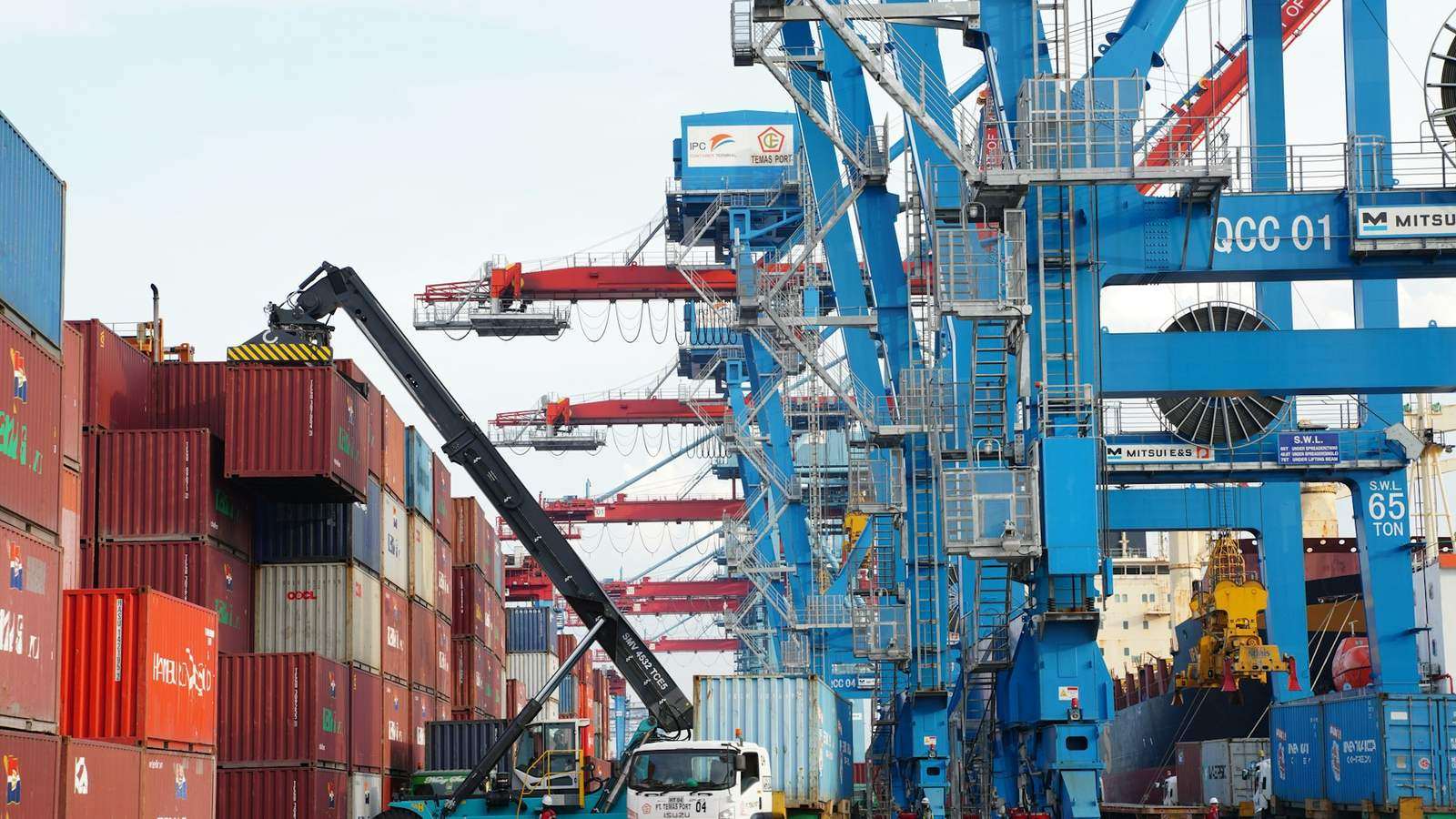
Chattogram cannot take the largest ships. Vessels drawing more than roughly nine and a half metres cannot enter, which means the mother vessels that run the main Asia trades do not berth there. Instead, containers are relayed through regional hubs, principally Colombo, Singapore, Port Klang and Tanjung Pelepas, and carried the last leg on smaller feeder vessels.
Some direct services to and from Chattogram exist and more have been attempted, but the volumes remain small relative to the transhipped flow.
So for a normal container shipment from China, transhipment is not an exception to be avoided. It is how the cargo gets here.
What UCP 600 actually says about it
This is where importers are often surprised, because the rule does not work the way the words suggest.
Under UCP 600, transhipment means unloading from one vessel and reloading onto another during the carriage between the ports of loading and discharge named in the credit. A bill of lading may show transhipment provided the entire carriage is covered by one and the same bill of lading.
Then comes the part that matters: a bill of lading indicating that transhipment will or may take place is acceptable even if the credit prohibits transhipment, where the goods have been shipped in a container, as evidenced by the bill of lading.
Read that again if you have ever asked your bank to prohibit transhipment. For containerised cargo, the prohibition generally does not do what you think it does. To make it genuinely binding, the credit has to go further and exclude the relevant sub-article expressly.
Which leaves you with two outcomes, neither of which is what most people intend when they tick the box. Either the prohibition is ineffective and your containers transship anyway, or it is made effective and you have demanded a routing that barely exists on this lane, at a price and a frequency you will not enjoy.
Partial shipment: the opposite default
Partial shipment works the other way around, and the default catches people who assume banks are conservative.
Under UCP 600, partial shipments are allowed unless the credit states otherwise. If you want your order to arrive in one consignment, the onus is on you to say so when the credit is opened. Silence permits splitting.
Two refinements are worth knowing, because they decide whether a split is actually a partial shipment.
- More than one set of transport documents covering shipment on the same vessel for the same voyage to the same destination is not a partial shipment, even if the documents show different shipment dates or different ports of loading
- Shipment on more than one vessel is a partial shipment, even if the vessels leave on the same day for the same destination
So the test is the conveyance, not the paperwork count.
Which should you choose
Allowing partial shipment is not automatically bad, and prohibiting it is not automatically safe.
Reasons to allow it. Long production runs where part of the order is ready early. Seasonal goods where you want the first tranche on the shelf. A supplier whose capacity genuinely cannot finish everything in one window.
Reasons to prohibit it. Every separate consignment is a separate clearance, with its own documentation, agent fees and port charges, so a split order costs more to land than one shipment of the same goods. A partial delivery also gives you less leverage: a supplier who has been paid for the first half is less motivated about the second. And if you are ordering for a specific selling season, a second tranche arriving late can be worse than no tranche at all, which is exactly the planning problem described in our guide to ordering around Chinese New Year and Ramadan.
The costing point deserves emphasis. If you split a shipment across two consignments, your per-unit landed cost rises on both, because the fixed charges of clearing a consignment do not halve.
Where this turns into a discrepancy
The reason this belongs on the banking side rather than the logistics side is what happens when the credit and the shipment disagree.
If your credit prohibits partial shipment and your supplier ships in two lots, the documents do not comply. The bank is entitled to refuse them, and you are then choosing between paying against discrepant documents, waiving the discrepancy, or unpicking the transaction while the goods are already at sea. Our guide to how a letter of credit works explains why a discrepancy is expensive even when everyone agrees the goods are fine.
The same applies to shipment dates. Feeder connections add time and are not always weekly, so a latest shipment date set from an optimistic direct-sailing assumption can expire while your container waits for a connection. Our guide to how long shipping actually takes sets out realistic transit ranges to build that date from.
What to specify when the credit is opened
These are instructions to give at the proforma invoice and application stage, not adjustments to negotiate afterwards.
- Allow transhipment. On a China to Chattogram container shipment, prohibiting it is either meaningless or expensive
- Decide partial shipment deliberately, and state it. Do not let the default decide for you
- Set the latest shipment date with feeder slack, not from a best-case direct sailing
- Match the document requirement to the reality of who issues your bill. If a forwarder will issue a house bill, the credit needs to accept the document you will actually receive, as covered in our guide to house and master bills of lading
- Ask your bank to read the terms back to you in plain language before the credit is issued
The short version
Transhipment on this route is a fact of geography, and a credit that forbids it is usually either ineffective for containers or asking for a service that hardly runs. Partial shipment is permitted by default, so if you need one delivery, you have to say so.
Neither decision is difficult. Both are much easier to make before the credit is issued than to fix once a vessel has sailed.
Rules are applied as incorporated into your particular credit, and port capability changes as dredging and terminal projects progress. Confirm the terms of your own credit with your bank, and the current routing with your forwarder.
Ready to ship? Explore our sea freight, air freight, sourcing, and customs clearance services from China to Bangladesh.
Get a Sourcing & Shipping Quote ← All posts
Related Articles

How a Letter of Credit Actually Works (and Where It Goes Wrong)
Read more →
Whose Bill of Lading Are You Holding?
Read more →
How Long Does Shipping from China to Bangladesh Take?
Read more →
Before the LC: What Your Bank Needs to Open It
Read more →
How to Calculate Your Total Landed Cost
Read more →
Ramadan 2027 and Chinese New Year Fall in the Same Week
Read more →No guide matches that search yet. Ask us on WhatsApp and we will answer.
Tell us what you're shipping.
Product, quantity and delivery city are enough to start. We reply within 24 hours with a door-to-door quote.