

September 22, 2026
Ramadan 2027 and Chinese New Year Fall in the Same Week

If you sell anything into Bangladesh's Ramadan and Eid retail season, the ordering decision for 2027 is in front of you now, in late 2026, and there is a complication this year that does not usually apply.
Chinese New Year 2027 falls on 6 February. Ramadan 2027 is expected to begin around 8 February, subject to moon sighting.
The two land in the same week. That single overlap changes how the whole season has to be planned.
Why the overlap matters
In a normal year, a Bangladeshi importer can order Ramadan stock, see how it sells in the first two weeks, and place a top-up order for Eid. The factory is working, the reorder takes a few weeks, and the second wave arrives in time for the Eid rush.
In 2027 that option largely disappears.
Chinese factories take an official holiday around 4 to 12 February 2027, but the practical disruption runs much wider. Production slows from mid-January as workers start travelling home, almost nothing moves during the holiday itself, and output returns gradually rather than instantly, with factories often running at reduced capacity into late February or early March. Our guide to how Chinese New Year affects your schedule explains why the ramp-up is slower than the shutdown.
Now lay the Bangladeshi calendar over that. Ramadan is expected to run from about 8 February to around 10 March 2027, with Eid al-Fitr expected on about 10 or 11 March. The exact dates depend on moon sighting and will be confirmed by the Islamic Foundation nearer the time.
So the entire selling season sits inside the window when Chinese production is either stopped or recovering. Both your Ramadan stock and your Eid stock have to be made before the shutdown. There is no mid-season reorder.
Working the timeline backwards
Use your own numbers where you have them, but the shape of the calculation looks like this.
Start from when goods must be in your warehouse. For Ramadan lines, that is late January 2027. For Eid lines, late February at the latest, and earlier is safer because the Eid rush starts well before the day.
Then work back:
- Clearance and inland delivery in Bangladesh: allow a realistic buffer after the vessel arrives, not a best case. Our guide to what happens after arrival at Chattogram sets out the steps involved
- Sea transit: roughly 20 to 35 days port to port, as set out in our guide to how long shipping takes
- Booking and space: harder to secure in January, because every other importer is also trying to ship before the holiday
- Production: typically several weeks, and longer if your product is customised or needs tooling
- Sampling and approval: before production starts, not during it
Add those up and the order for Ramadan stock needs to be confirmed, with the deposit paid, around late October to mid-November 2026. Eid stock is not far behind it, because that production also has to be finished before the factory closes.
If your product needs a new mould or die, add more time still, and read our guide to tooling and who owns it before you pay for one.
Air freight is not the escape hatch
The instinct when a sea shipment gets tight is to switch to air. Air transit is around 3 to 7 days, and for high-value, low-volume goods it can rescue a deadline.
It will not rescue this one. Air freight moves goods that already exist. If the factory is closed, or is running at partial capacity with a backlog of pre-holiday orders ahead of yours, there is nothing at the airport to load. The constraint in February 2027 is production, not transport.
Air is worth holding in reserve for a small, high-margin top-up of something made before the shutdown. It is not a plan for the season.
The Bangladesh side of the calendar
Two local factors are worth building in.
Around Eid, Bangladesh takes several days of public holiday. Banks, offices and many businesses close. If your payment, document handling or clearance falls in that window, it waits. That matters particularly if you are paying by letter of credit, where documents move between banks and a closed bank is a stopped clock.
Port and clearance activity is also heavier in the run-up to the season, as every importer targets the same arrival window. A shipment that would clear comfortably in an ordinary month can take longer when everyone is trying to clear at once, and demurrage accrues regardless of how busy the port is.
What to do in the next few weeks
- Ask your supplier for their 2027 closure and reopening dates in writing. Factories differ, and the official holiday is not the same as their actual shutdown. Ask when their production cut-off for new orders is
- Decide your full season quantity now, both Ramadan and Eid lines, and treat it as one order rather than two. If you would normally split it, price the risk of not getting the second half at all
- Get sampling done early. Approval cycles are the most common reason an order misses a production slot, and the factory will not hold the slot for you
- Confirm payment terms early, since a deposit that arrives late moves you down the production queue. Our guide to paying suppliers safely covers structuring that sensibly
- Book freight earlier than feels necessary. Space out of Chinese ports tightens ahead of the holiday
- Build a buffer for the moon. Ramadan's start can shift by a day, and your plan should not depend on which day it lands
The honest version
Nobody can tell you exactly how a season will sell, and ordering the whole thing up front carries real inventory risk. That risk is genuine and this article is not pretending otherwise.
But the alternative risk in 2027 is specific and foreseeable: ordering half, selling out in the first ten days of Ramadan, and discovering that the factory that makes your product is closed, and will still be catching up when Eid arrives.
Given the choice between holding stock and having nothing to sell during the highest-demand weeks of the year, most importers would rather hold stock. The decision only exists if you make it early enough, which for this season means now rather than in December.
Dates for Ramadan and Eid depend on moon sighting and are confirmed locally nearer the time. Factory closure dates vary between suppliers. Confirm both with your own supplier and your forwarder rather than planning from a general guide.
Ready to ship? Explore our sea freight, air freight, sourcing, and customs clearance services from China to Bangladesh.
Get a Sourcing & Shipping Quote ← All posts
Related Articles

How Chinese New Year Affects Your Shipping Schedule
Read more →
How Long Does Shipping from China to Bangladesh Take?
Read more →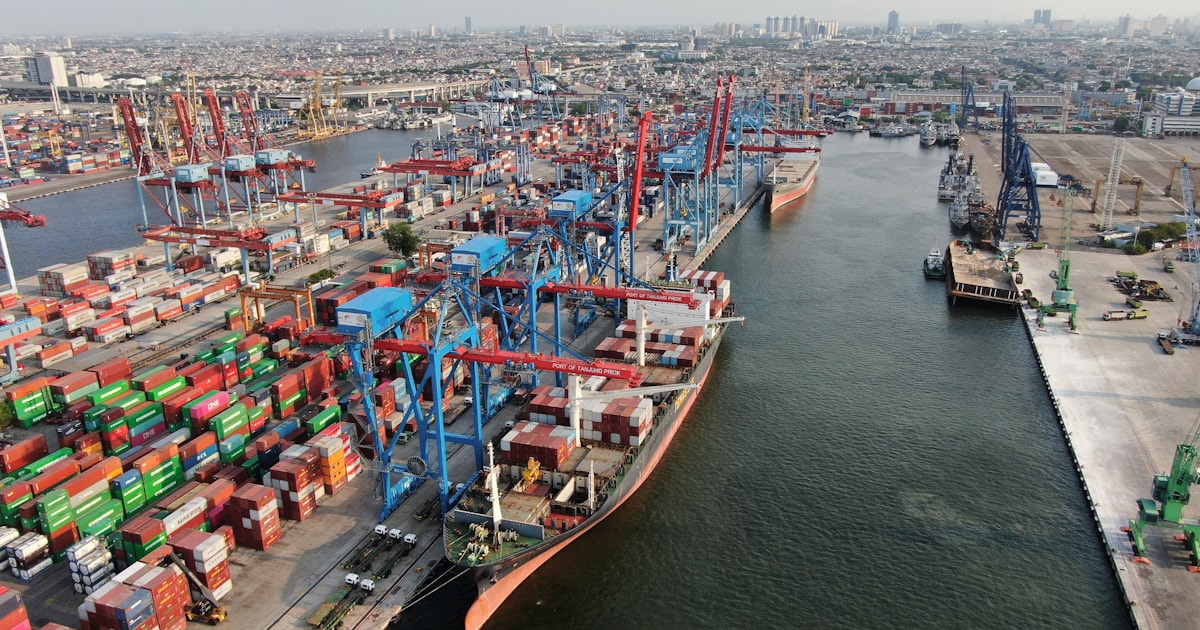
What Happens to Your Cargo After It Arrives at Chattogram Port
Read more →
How to Pay Chinese Suppliers Safely from Bangladesh
Read more →
How a Letter of Credit Actually Works (and Where It Goes Wrong)
Read more →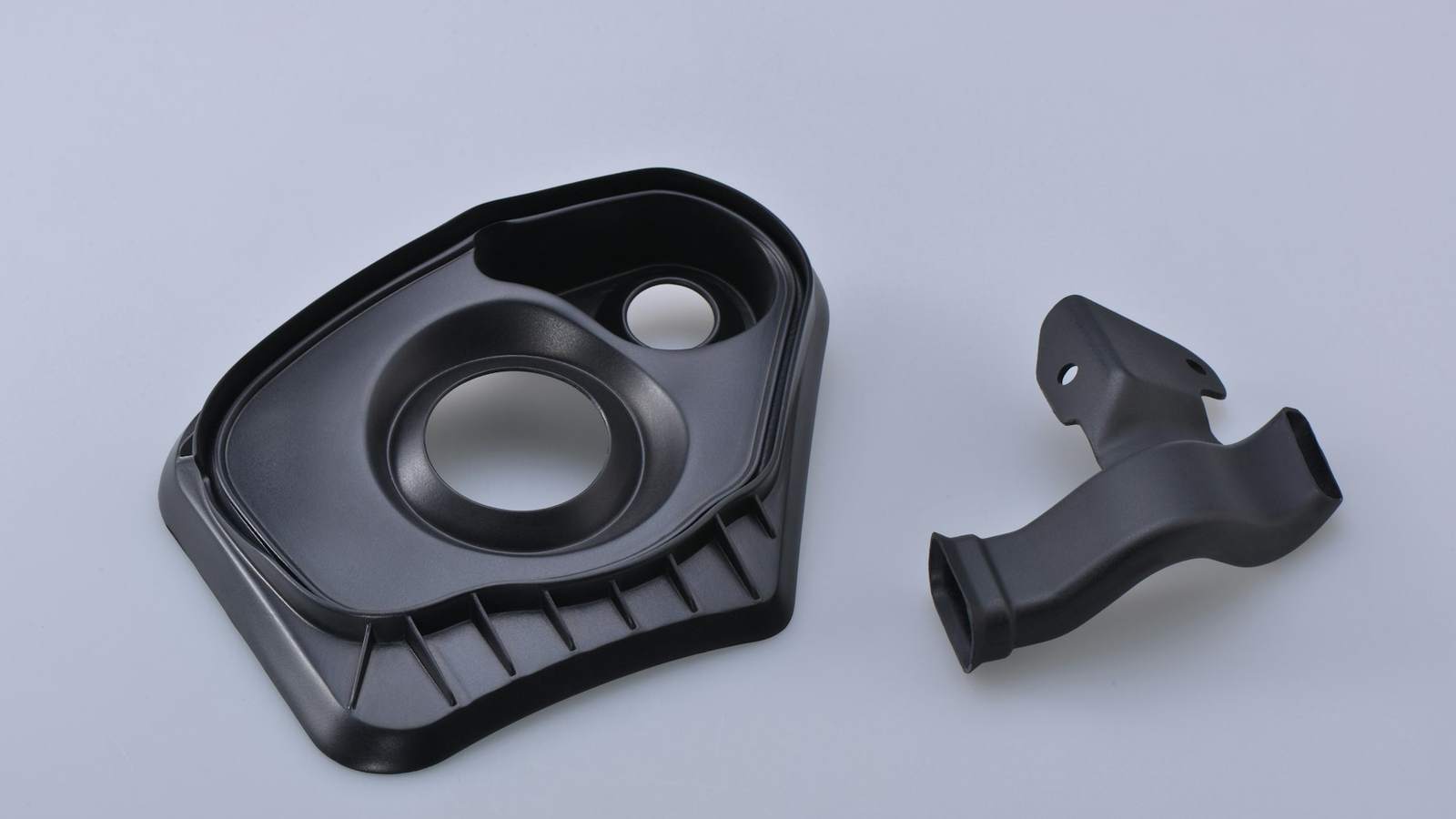
Who Owns the Mould? Settle It Before You Pay for Tooling
Read more →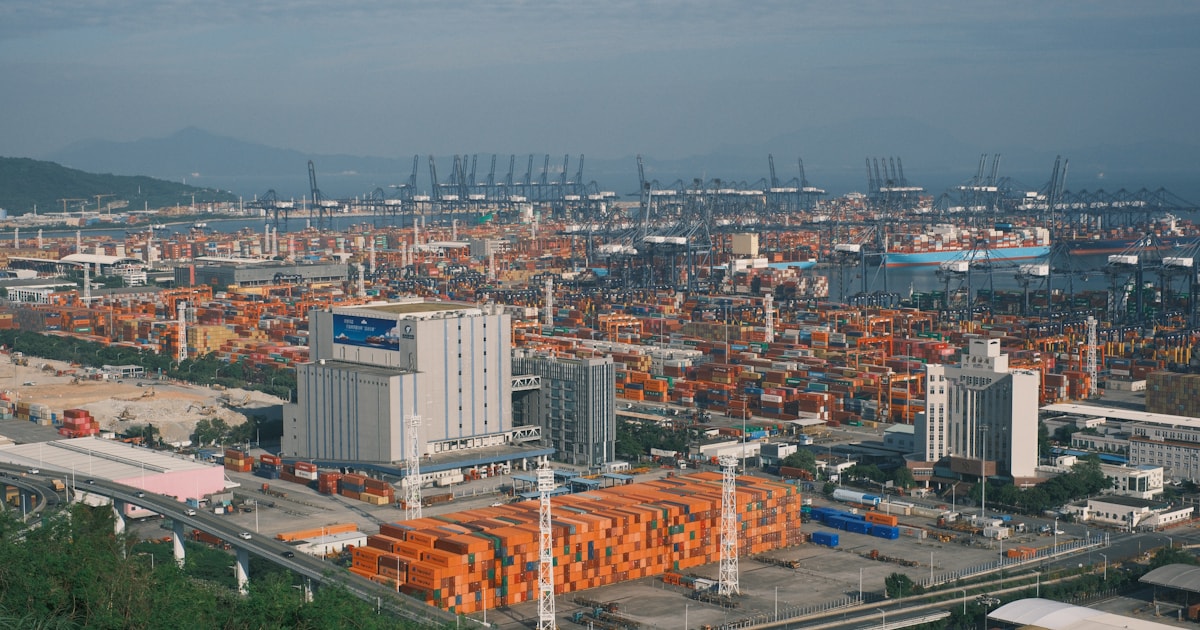
Demurrage and Detention: What They Are and How to Avoid Them
Read more →
Before the LC: What Your Bank Needs to Open It
Read more →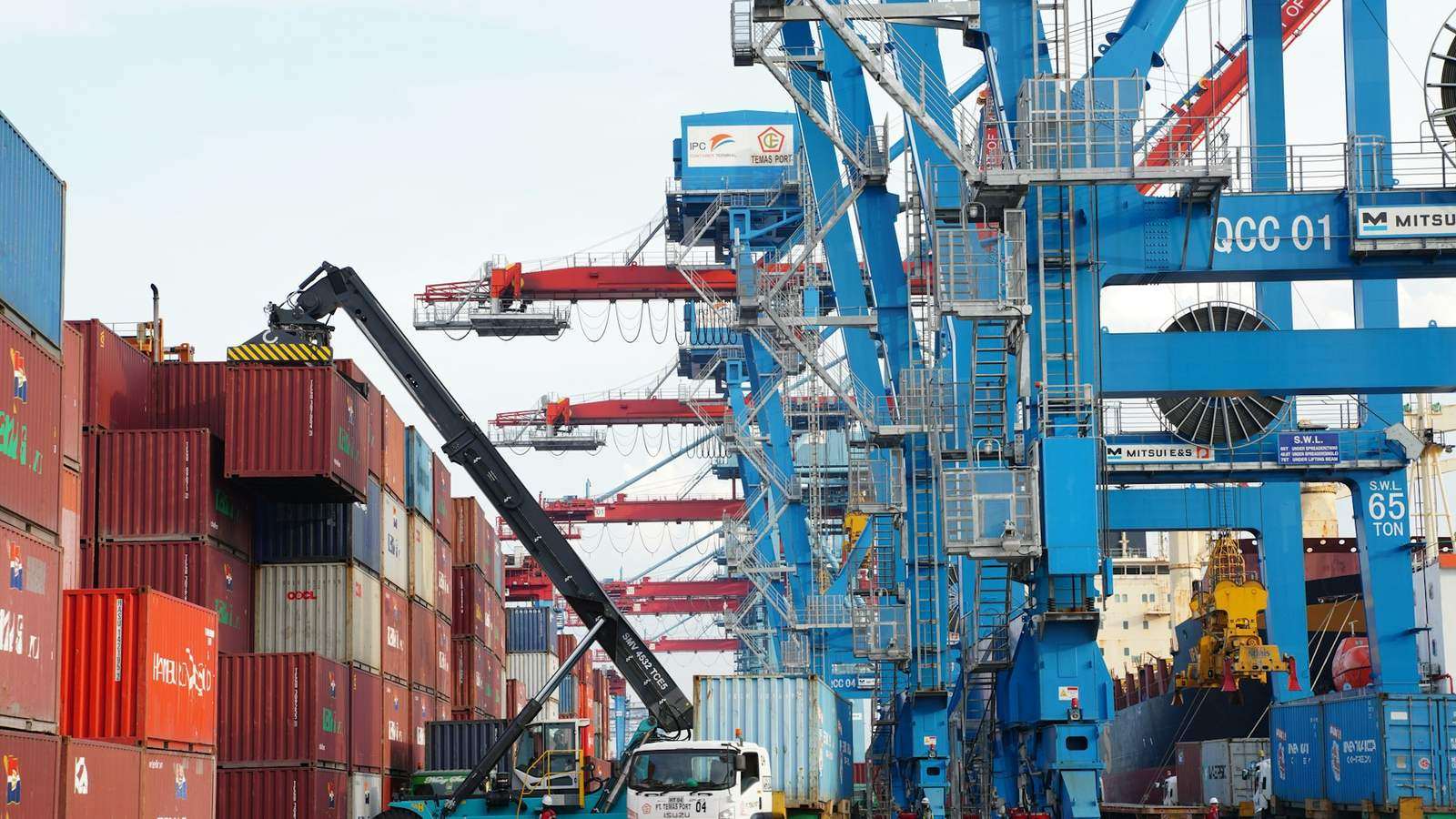
Transhipment and Partial Shipment: Two Boxes That Decide Whether Your LC Pays
Read more →No guide matches that search yet. Ask us on WhatsApp and we will answer.
Tell us what you're shipping.
Product, quantity and delivery city are enough to start. We reply within 24 hours with a door-to-door quote.