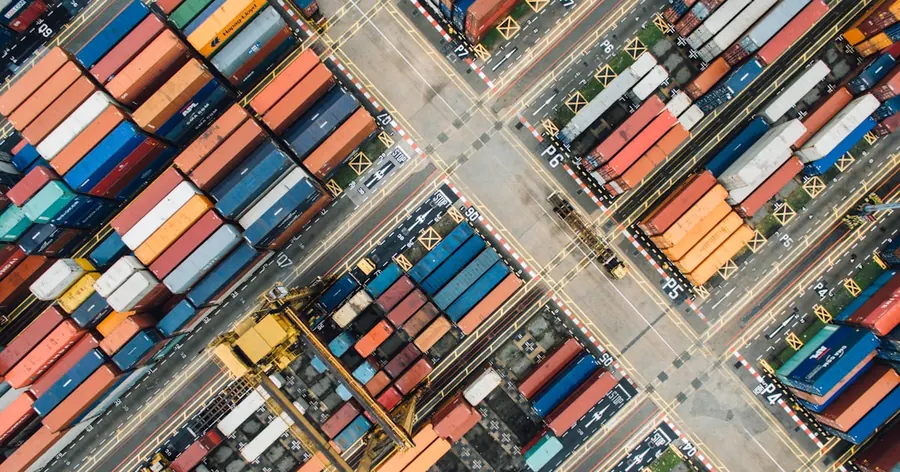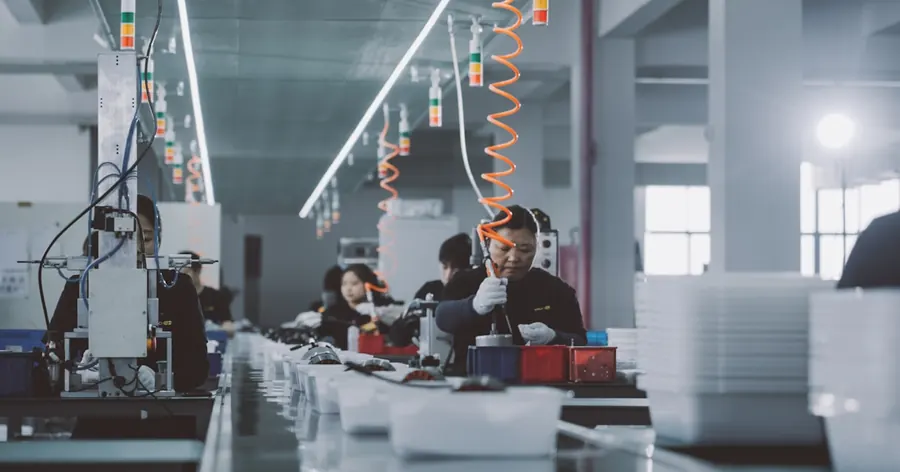
Importing products from China is the backbone of thousands of businesses in Bangladesh, from garment factories and electronics retailers to wholesalers, hardware shops and construction suppliers. But for first-time importers the process can feel overwhelming: how do you find a trustworthy supplier, work out the real shipping cost, clear customs at Chittagong, and get your goods delivered safely?
This guide walks you through importing from China to Bangladesh, step by step. By the end you will understand the full journey, from picking a supplier to receiving your cargo at your door.
Why import from China?
China is the world's largest manufacturing hub. For Bangladeshi buyers it offers low factory prices, enormous product variety, and online marketplaces like 1688, Alibaba and Made-in-China where you can find almost anything. Whether you need one machine or a full container of goods, China can usually supply it cheaper than buying locally, if you manage the process well.
01Find and verify your supplier
Start by sourcing on the big platforms. 1688 has the lowest prices but is in Chinese and sells mostly to the domestic market. Alibaba and Made-in-China are built for international buyers. Once you shortlist a supplier, verify them carefully:
- Check the company's business licence and how long they have been trading.
- Ask for product samples before placing a large order.
- Read reviews and confirm they are a real manufacturer, not just a reseller.
- Use a trusted agent in China to visit or inspect the supplier in person.
This is where a partner with a China office matters most. DE INTERNATIONAL's Shenzhen team verifies suppliers on the ground, so you avoid the scams and quality problems that catch many first-time importers.
02Get quotes and negotiate
Ask suppliers for their unit price, minimum order quantity (MOQ), and whether the price is EXW (ex-works) or FOB (free on board). Negotiate on price and MOQ, and always confirm the final specifications (size, material, colour, packaging) in writing before you pay. A clear written agreement prevents disputes later.
03Inspect quality before shipping
Never assume the goods are perfect. Arrange a pre-shipment inspection at the factory or warehouse to check quantity and quality before the cargo leaves China. Catching a defect in Shenzhen is easy; catching it after it arrives 6,000 km away in Dhaka is expensive. DE INTERNATIONAL inspects your goods at the source as part of our sourcing service.
04Choose your shipping method: sea vs air freight
There are two main ways to ship from China to Bangladesh:
The cheapest option for heavy or bulky cargo, arriving via Chittagong port. Best for machinery, furniture and bulk goods. Ship a full container (FCL) or share one (LCL) for smaller loads.
Faster, and best for urgent, light or high-value items, but more expensive per kilogram.
Many importers choose a door-to-door (DDP) service, where one price covers everything from the Chinese factory to your warehouse, including customs. Compare the options on our services page.
05Calculate your costs (CBM, freight and duties)
Your total landed cost is more than the product price. It includes:
- Freight, usually based on volume (CBM, or cubic metres) for sea cargo and on chargeable weight for air cargo.
- Customs duty, VAT and other charges in Bangladesh, which depend on your product's HS code and can vary widely.
- Local charges such as port handling, clearing and inland delivery.
Not sure how much space your order takes? Use our free CBM calculator to estimate volume and chargeable weight before you commit.
06Customs clearance in Bangladesh
When your cargo arrives, it must clear Bangladesh customs. You will typically need a commercial invoice, packing list, bill of lading (sea) or airway bill (air), and your import documents such as the LC or LCA. Goods are classified under an HS code, and duty and VAT are paid accordingly. Because the wrong HS code or missing paperwork can cause costly delays, most importers use a clearing agent. DE INTERNATIONAL handles customs clearance on both the China and Bangladesh sides for you.
07Final delivery to your door
After clearance, your goods are transported from the port or airport to your address anywhere in Bangladesh. With a door-to-door service you simply receive the cargo, with no need to deal with the port yourself. Declare your parcel before it reaches our warehouse, track every stage online, or request a pickup in China to get a tracking number straight away.
Common mistakes to avoid
- Paying the full amount upfront to a supplier you have not verified.
- Skipping the pre-shipment quality inspection.
- Underestimating customs duty and VAT in your budget.
- Using the wrong HS code, which leads to fines and delays.
- Choosing the cheapest freight without checking transit time and reliability.
Let DE INTERNATIONAL handle it for you
You do not have to manage all of this alone. With offices in Dhaka and Shenzhen since 2021, DE INTERNATIONAL handles the entire journey (supplier sourcing, quality inspection, sea and air freight, customs clearance and door-to-door delivery) with support in Bangla, English and Chinese and online tracking. Request a free quote or contact our team to get started.