

August 14, 2026
What Your Commercial Invoice Needs to Include

Of all the paperwork in an international shipment, the commercial invoice is arguably the one that matters most to customs. It is the document that states what you are actually paying for your goods, and that declared value is the starting point for how much duty you owe. Getting it right is not just administrative box-checking.
What a commercial invoice actually is
A commercial invoice is a formal bill from the seller to the buyer, issued for the specific transaction, stating what was sold, in what quantity, and for what price. Unlike a general sales invoice, its role in international trade is specifically to give customs authorities the transaction details they need to assess duties and taxes accurately.
What it needs to include
A complete commercial invoice should contain:
- Seller and buyer details, full company names and addresses on both sides
- Invoice number and date, for reference and record-keeping
- A clear description of the goods, specific enough to support correct classification, not a vague catch-all term
- Quantity and unit price, along with the total value of the shipment
- Currency of the transaction, stated explicitly
- The agreed Incoterm, such as FOB or CIF, since this affects what the price actually includes
- Country of origin of the goods
Missing or vague information in any of these fields is one of the most common reasons customs raises a query during clearance.
Why the declared value matters so much
The value stated on your commercial invoice is what customs uses, alongside your HS code, to calculate the duties and taxes you owe. An inaccurate declared value, whether too low or inconsistent with the actual transaction, can trigger a reassessment, delays, or penalties. This is not a field to estimate loosely; it should reflect the actual, agreed transaction value.
Commercial invoice vs packing list
These two documents are often confused, but they serve different purposes. The commercial invoice is about value: what was sold and for how much. The packing list is about physical contents: how the goods are packed, how many cartons, weights, and dimensions. Customs and your forwarder typically need both, since one confirms the transaction value and the other confirms what is physically in each package.
Common mistakes to avoid
- Vague product descriptions, such as listing "goods" or "merchandise" instead of an accurate, specific description
- A declared value that does not match the actual transaction, which can trigger scrutiny or reassessment
- Missing the Incoterm, which leaves ambiguity about what the stated price actually covers
- Inconsistency between the invoice and other documents, such as the packing list or Bill of Lading, since mismatches between documents are a common trigger for customs queries
FAQ
Who prepares the commercial invoice, the buyer or the supplier?
The seller or supplier typically issues it, since it documents their sale to you, but it is worth reviewing it carefully yourself before it is used for clearance.
Does the commercial invoice need to match the Bill of Lading exactly?
The details should be consistent across your documents. Significant discrepancies between the invoice, packing list, and shipping documents are a common cause of delays during clearance.
What happens if the declared value looks unusually low to customs?
It can trigger a query or reassessment, since customs may want to verify the value reflects the actual transaction rather than an understated figure.
If you want help making sure your commercial invoice and other documents are consistent and complete before you ship, tell us about your order and we can review the paperwork with you.
Ready to ship? Explore our sea freight, air freight, sourcing, and customs clearance services from China to Bangladesh.
Get a Sourcing & Shipping Quote ← All posts
Related Articles
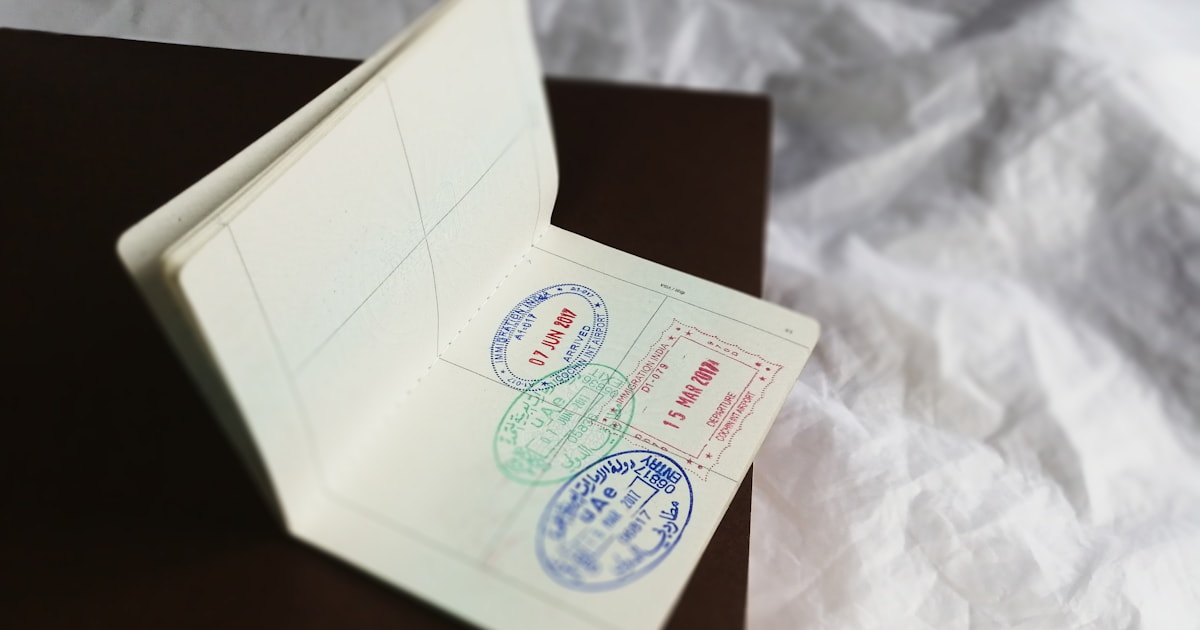
What Documents You Need to Clear Customs in Bangladesh
Read more →
What Is an HS Code and Why It Matters for Your Imports
Read more →
Understanding Import Duties and Taxes in Bangladesh
Read more →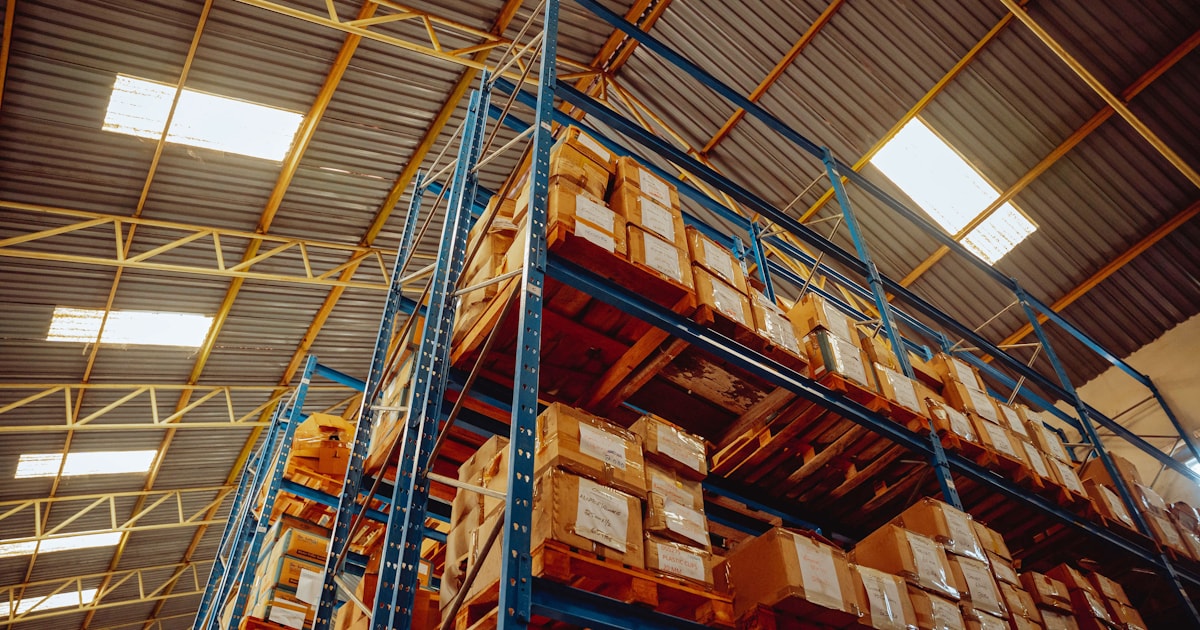
What Your Packing List Needs to Include
Read more →
What Happens During a Physical Customs Examination
Read more →
Why Customs May Not Accept Your Invoice Value
Read more →
Before the LC: What Your Bank Needs to Open It
Read more →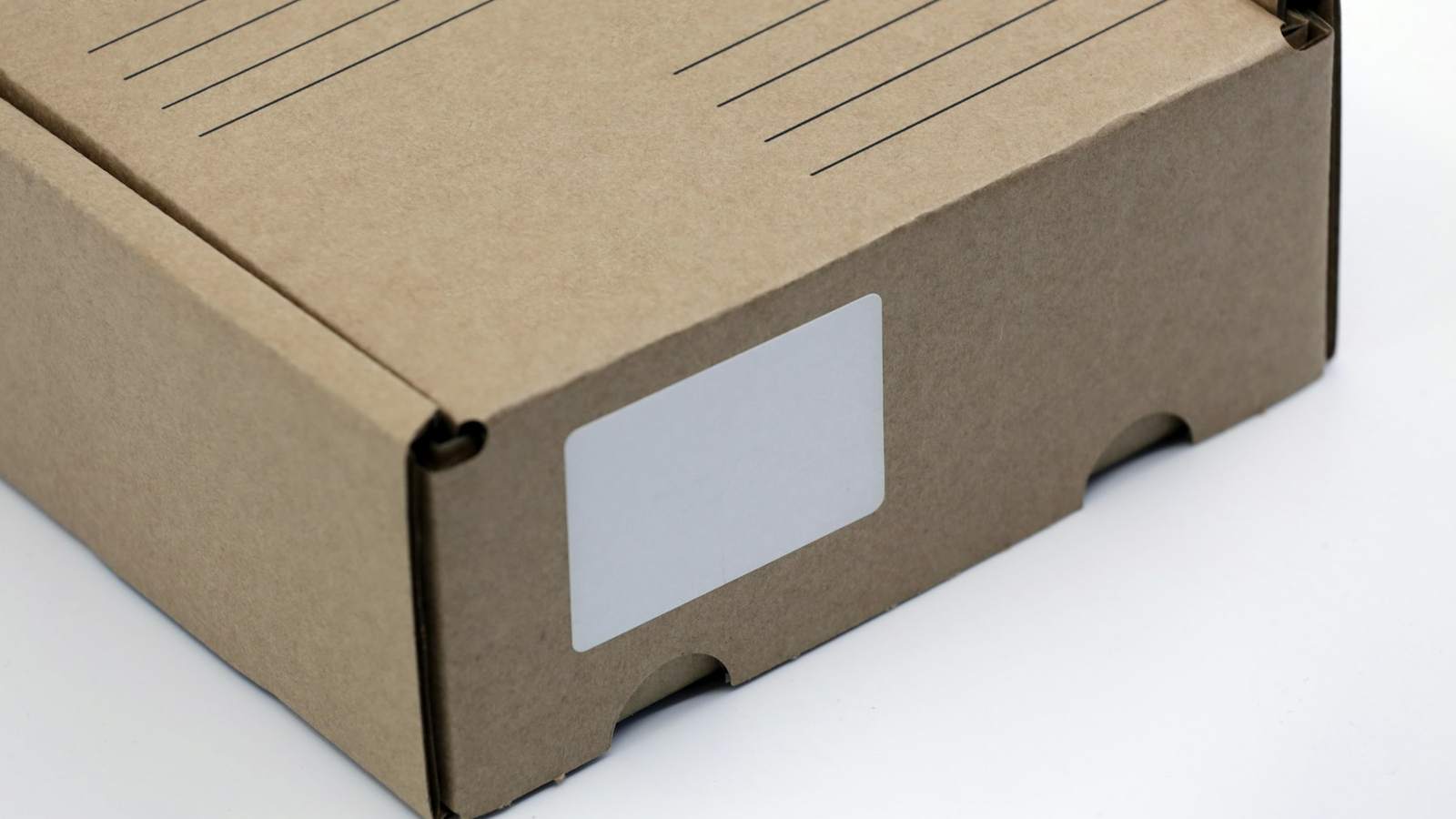
What Goes on the Outside of Your Cartons
Read more →
Duty Drawback: Getting Back the Duty You Paid on Exported Inputs
Read more →No guide matches that search yet. Ask us on WhatsApp and we will answer.

Tell us what you're shipping.
Product, quantity and delivery city are enough to start. We reply within 24 hours with a door-to-door quote.