

August 15, 2026
What Happens During a Physical Customs Examination
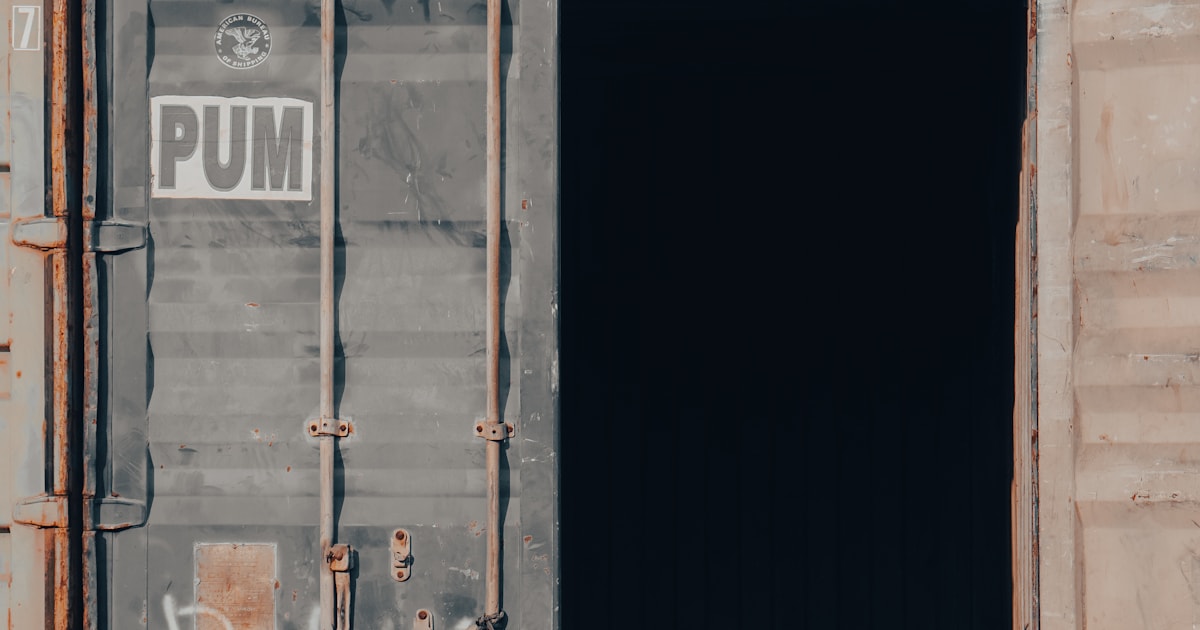
Most shipments clear customs on the strength of their paperwork alone. Some are selected for physical examination instead, where an officer actually opens the cargo and checks it against what was declared. If this has never happened to your shipments, or if it just has for the first time, knowing what actually happens removes a lot of the uncertainty.
What tends to trigger an examination
Selection for physical examination is generally risk-based, drawing on factors specific to the shipment, the product category, and other considerations that vary case by case. It is not something you can reliably predict or influence directly, and it does not necessarily mean anything is wrong with your shipment. The most productive approach is not trying to guess whether you will be selected, but making sure your paperwork is accurate enough that an examination, if it happens, goes smoothly.
What actually happens during the examination
An examination typically involves a customs officer physically opening the container or cargo and checking its contents against your declared documents, primarily the commercial invoice and packing list. They are verifying that what is actually inside matches what was declared: the type of goods, the quantity, and generally that nothing looks inconsistent with the paperwork. This is a standard part of customs enforcement, not an accusation, and the large majority of examinations conclude without any issue once the officer confirms the cargo matches what was declared.
How long it typically adds
An examination adds time to your clearance process beyond a paper-only clearance, since it requires physically accessing and checking the cargo rather than just reviewing documents. The exact impact varies by port workload, the complexity of your shipment, and other factors that are not predictable in advance, so it is not useful to assume a fixed number of days. If your shipment is selected, your customs agent or forwarder should be able to give you a realistic estimate based on current conditions.
How to prepare so it goes smoothly
- Make sure your commercial invoice and packing list are consistent with each other, since mismatches between documents are exactly what an examination is designed to catch
- Use accurate, specific product descriptions, not vague catch-all terms that could look like they are hiding something
- Pack cargo so it can be reasonably accessed, since cargo that is difficult to open or inspect can extend the process unnecessarily
- Make sure your HS code and declared value genuinely reflect the shipment, since these are exactly what an examination cross-checks against the physical goods
- Keep your forwarder informed and responsive, since they are often the ones coordinating directly with customs during an examination
What happens if a discrepancy is found
If the physical cargo does not match what was declared, customs may require clarification, additional documentation, or reassessment before the shipment can proceed, and this can extend the clearance timeline meaningfully. This is exactly why accuracy in your original documents matters so much: it is far easier to get the paperwork right the first time than to resolve a discrepancy after cargo has already been physically examined.
FAQ
Does being selected for examination mean something is wrong with my shipment?
Not necessarily. Selection is generally risk-based and does not by itself indicate a problem. Most examined shipments clear normally once the officer confirms the cargo matches the declared documents.
Can I do anything to avoid being selected?
Not directly, since selection criteria are not something importers control or can reliably influence. The more productive focus is making sure your documents are accurate, so that if you are selected, the examination goes smoothly.
Who is present during the examination, me or my forwarder?
This is typically handled by your customs agent or forwarder on your behalf, though it is worth confirming with them how they manage this process for your specific shipment.
If you want a forwarder who prepares your documentation carefully enough that an examination, if it happens, goes without complication, tell us about your shipment and we can help.
Ready to ship? Explore our sea freight, air freight, sourcing, and customs clearance services from China to Bangladesh.
Get a Sourcing & Shipping Quote ← All posts
Related Articles
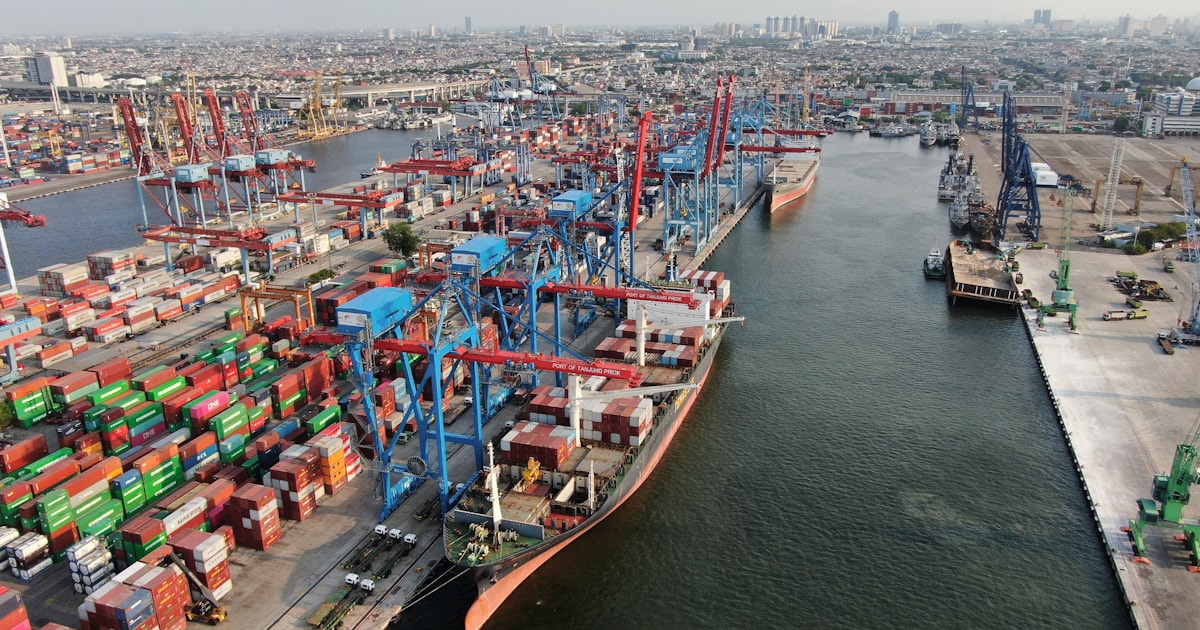
What Happens to Your Cargo After It Arrives at Chattogram Port
Read more →
What Your Commercial Invoice Needs to Include
Read more →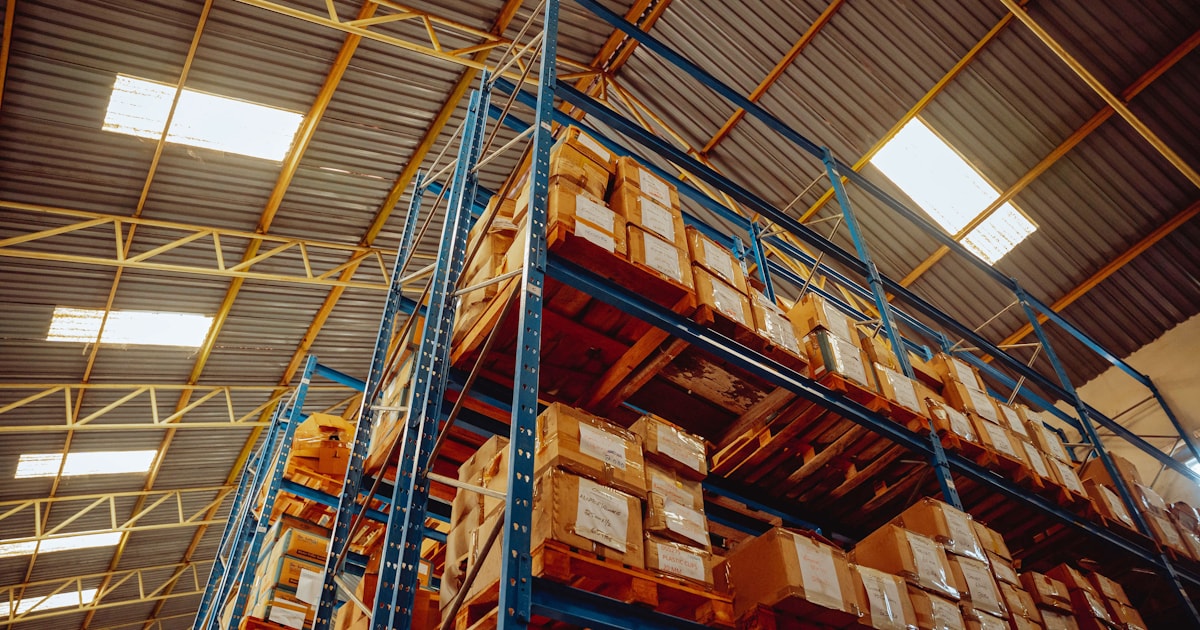
What Your Packing List Needs to Include
Read more →
BSTI Clearance: When Your Imported Goods Need a Standards Certificate
Read more →
Branded Goods, Copies and Customs: The Import Risk Nobody Prices In
Read more →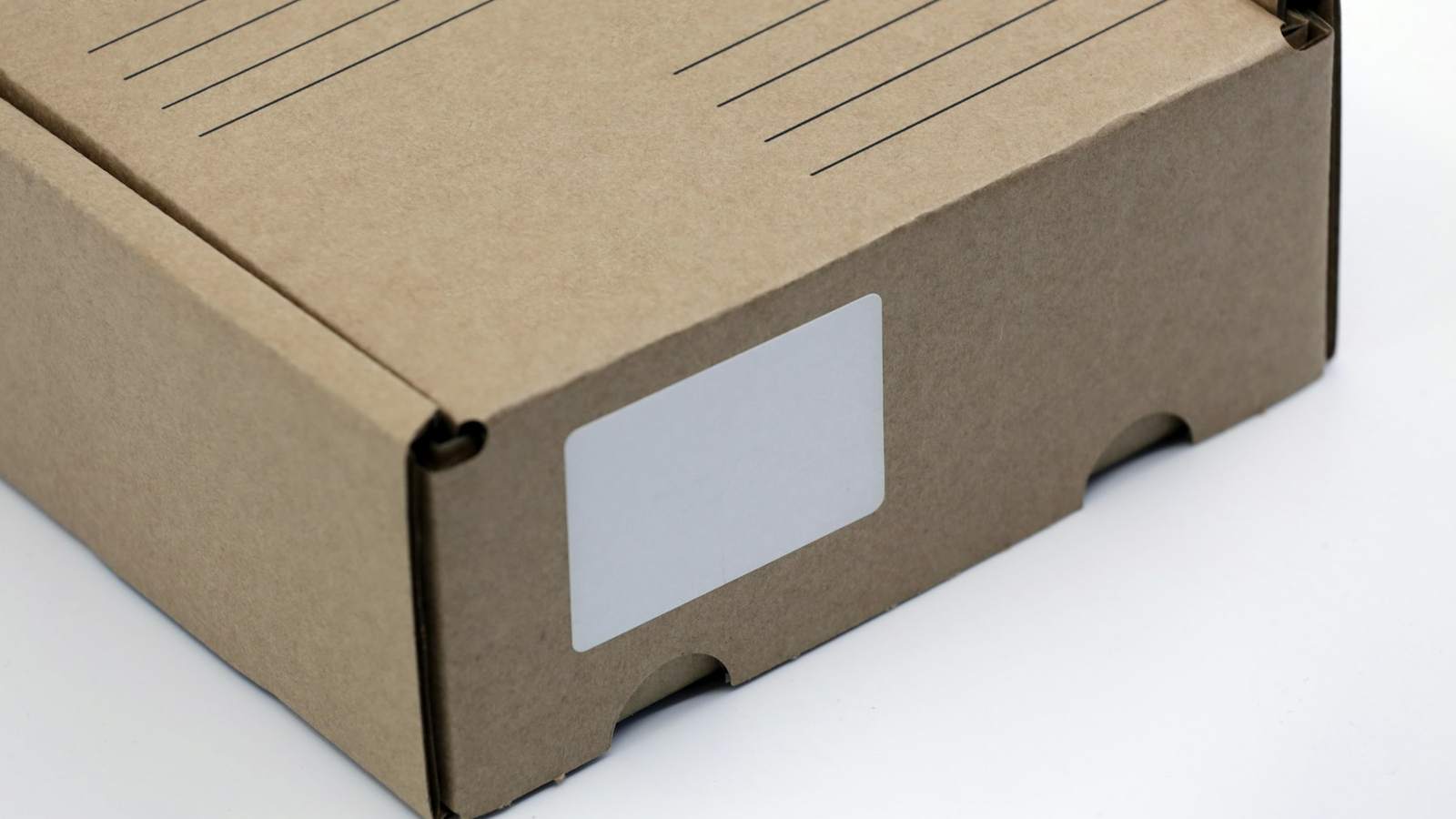
What Goes on the Outside of Your Cartons
Read more →No guide matches that search yet. Ask us on WhatsApp and we will answer.
Tell us what you're shipping.
Product, quantity and delivery city are enough to start. We reply within 24 hours with a door-to-door quote.