

September 12, 2026
Branded Goods, Copies and Customs: The Import Risk Nobody Prices In
There is a category of import risk that almost nobody prices into their landed cost, and it is one of the few where you can lose the goods and pay a penalty larger than what you paid for them.
It is not about deliberately importing fakes. Most importers who run into this were not trying to. They bought a product that looked ordinary, from a supplier who raised no objection, and only discovered the problem when customs did.
What customs can actually do
Bangladesh enforces intellectual property at the border through the Customs Act, 1969, administered by the National Board of Revenue. Section 15 of Chapter IV sets out what may not be imported, and it covers more ground than most people expect:
- Goods bearing a counterfeit trade mark or a false trade description
- Goods carrying the name or trademark of a foreign manufacturer without authorisation
- Goods infringing a registered design
- Goods infringing copyright
Section 17 then authorises detention and confiscation of goods imported in violation of Section 15, and the penalty provided for is up to two times the value of the goods.
Read that consequence carefully. It is not a fine you pay to release the shipment. The goods can be confiscated and a penalty applied on top, which means the downside is not "I lose my margin" — it is "I lose the goods and pay again."
Alongside the Customs Act sit the Trademarks Act 2009, the Patents and Designs Act, the Copyright Act and the Geographical Indication Act 2013, administered through the Department of Patents, Designs and Trademarks and the Copyright Office.
The honest importers this catches
Deliberate counterfeiting is a different conversation. What is worth your attention is the set of situations where an ordinary commercial order turns out to infringe.
Unauthorised brand names on components. You order power adapters and the factory fits them with a connector moulded with a well-known brand's name, because that is the part they had. You did not ask for it and may not have noticed it.
"Compatible with" packaging. Spare parts and accessories frequently arrive in packaging that displays the original manufacturer's logo prominently and the word "compatible" in small print. Whether that crosses the line depends on how it is presented, and the judgement is not yours to make at the port.
Trade dress copying. The product carries no brand name at all, but the shape, colour scheme and packaging closely imitate a well-known product. Design and trade dress protections exist separately from trademarks.
Licensed characters and prints. Cartoon characters, sports club crests, film imagery and popular patterns on textiles, toys, stationery and phone cases are frequently applied by Chinese factories with no licence at all. This is one of the most common ways a routine consumer-goods order becomes an infringing one.
OEM without documentation. Your supplier says they manufacture for a known brand and can sell you the same item. Possibly true. But without written authorisation, an item bearing that brand is unauthorised the moment it crosses a border.
None of these require bad intent. All of them can be caught during a physical customs examination.
Why the supplier will not warn you
It is worth understanding the asymmetry, because it explains why this keeps happening.
A Chinese factory selling into a domestic market where enforcement differs, or into a wholesale channel where nobody asks, has no particular reason to raise the question. They are not the importer of record in Bangladesh. They face none of the consequence. If you ask them directly whether the goods infringe anyone's rights, the answer will very often be a confident no, offered without any check having been made.
The risk sits with you. It sits with you in the same way that prohibited and restricted categories do — the supplier shipped what was ordered, and the compliance failure is on the import side.
How to protect yourself
The checks are cheap and they happen before money moves.
- Look at the actual product, not the listing. Order a sample and examine every surface — the item, the component parts, the manual, the inner packaging, the outer carton. Brand marks hide on chargers, plugs, screws and instruction sheets
- Ask specifically about licensing for any character, logo, crest or recognisable design, and ask for the licence in writing. "It is fine, everyone sells this" is not a licence
- Be sceptical of OEM claims. If a supplier says they produce for a major brand, ask for written authorisation to sell that branded item. A genuine OEM contract almost always forbids exactly that
- Prefer unbranded or your own brand. The cleanest route is a plain product you brand yourself. It also builds something you own rather than borrowing someone else's name
- Check the packaging separately from the product. They are sourced separately in many factories and the infringement is frequently in the box rather than the item
- Say it in the purchase order. A line stating the goods must not bear any third-party trademark, logo or copyrighted design unless written authorisation is provided costs nothing and shifts the conversation before production starts
Our guide to vetting a supplier covers the wider checks worth making, and if you are importing consumer electronics specifically, the Shenzhen guide notes where counterfeit components tend to appear.
The commercial case, separate from the legal one
Set the law aside for a moment, because the business argument points the same way.
A product that depends on someone else's brand is a product you cannot build on. You cannot advertise it properly, you cannot register your own mark around it, you cannot sell it to a serious retailer, and your entire inventory is one complaint away from being worthless.
Importers who build something lasting almost always end up selling either a plain product at a good price or their own brand. The shortcut through somebody else's trademark tends to end the same way, and the ending is expensive.
If you are unsure whether a specific product is a problem, ask your clearing agent before you place the order, not after the container is on the water. That conversation is free.
Intellectual property law and customs enforcement practice change over time, and whether a particular product infringes is a legal question specific to the goods. Take proper advice on anything you are unsure about rather than relying on a general guide, including this one.
Ready to ship? Explore our sea freight, air freight, sourcing, and customs clearance services from China to Bangladesh.
Get a Sourcing & Shipping Quote ← All posts
Related Articles
What You Cannot Import into Bangladesh (and What Needs Permission)
Read more →
What Happens During a Physical Customs Examination
Read more →
How to Order Samples from a Chinese Supplier (and What to Check)
Read more →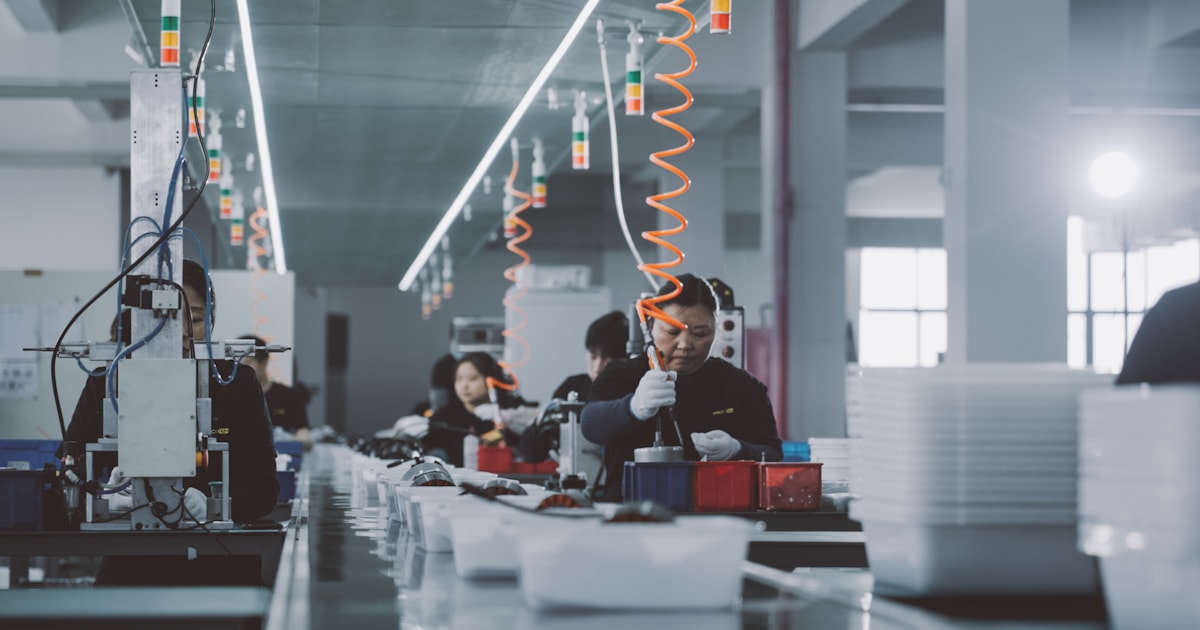
How to Find a Reliable Supplier on Alibaba (and Avoid Scams)
Read more →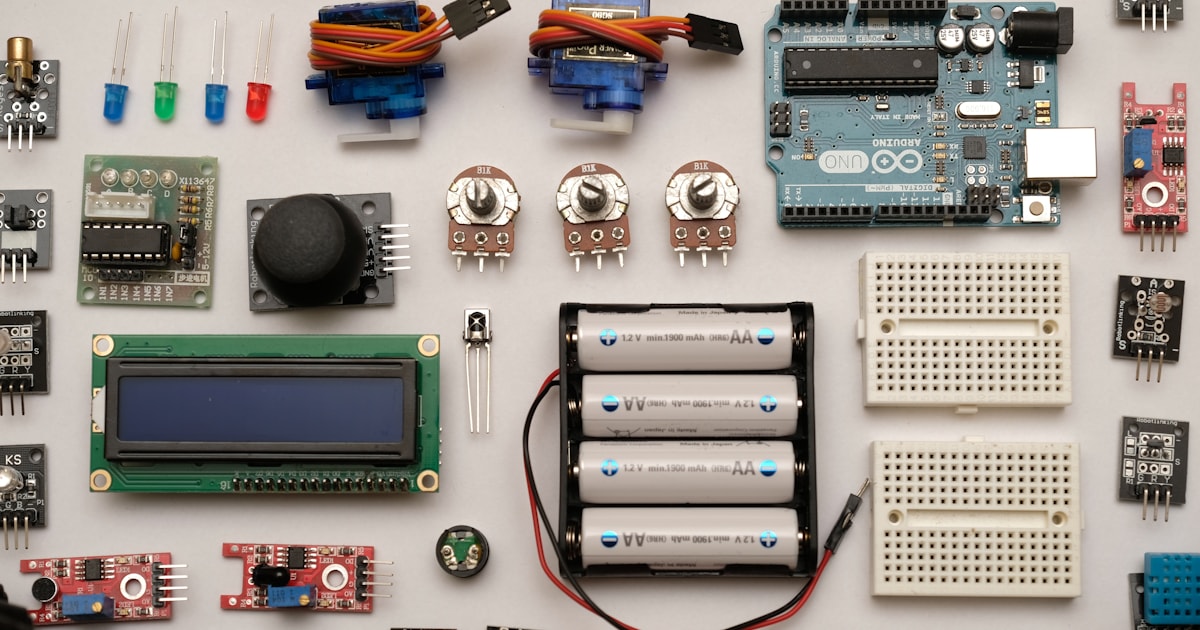
A Beginner's Guide to Importing Electronics from Shenzhen
Read more →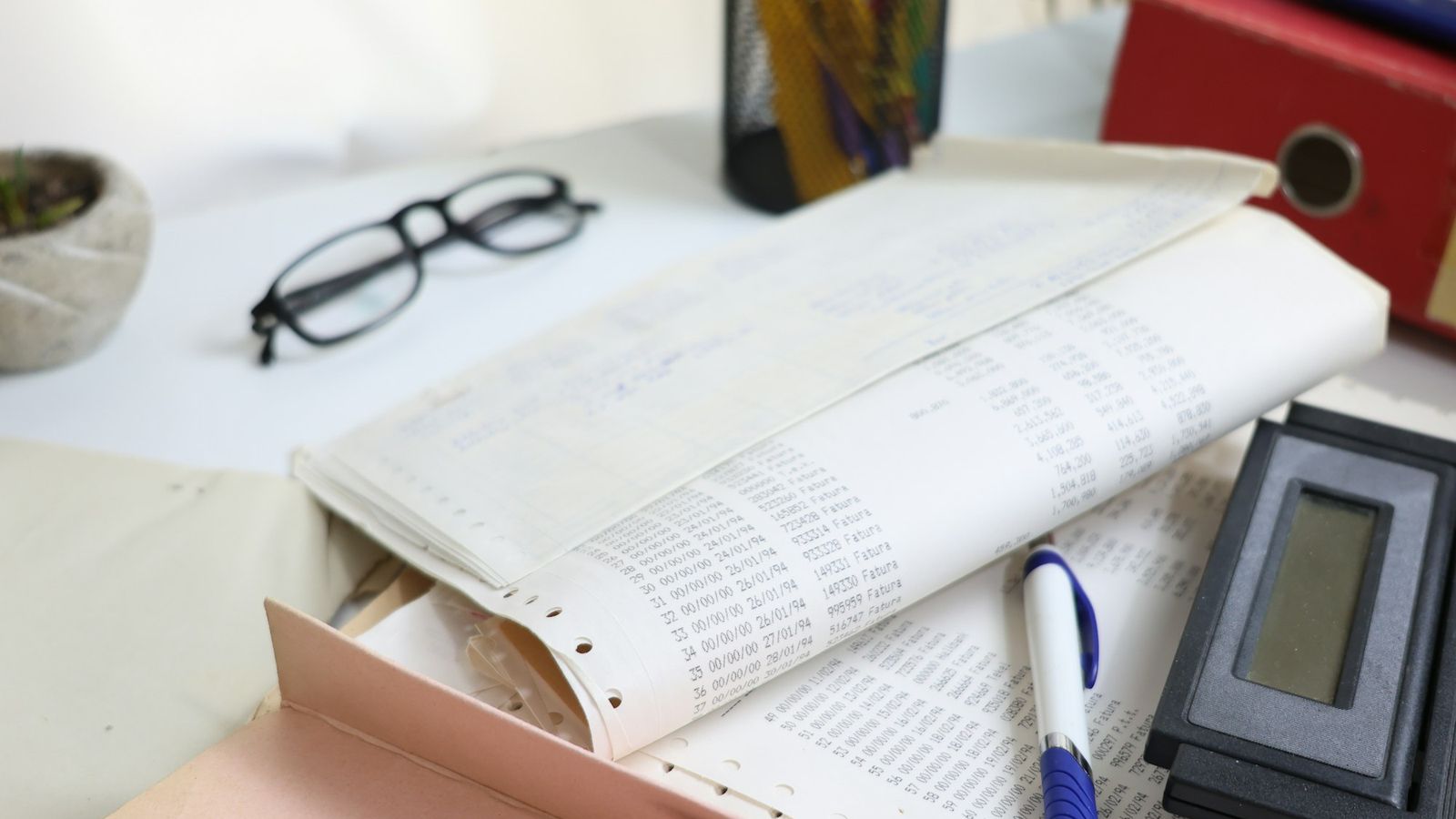
What a C&F Agent Actually Does (and How to Choose One)
Read more →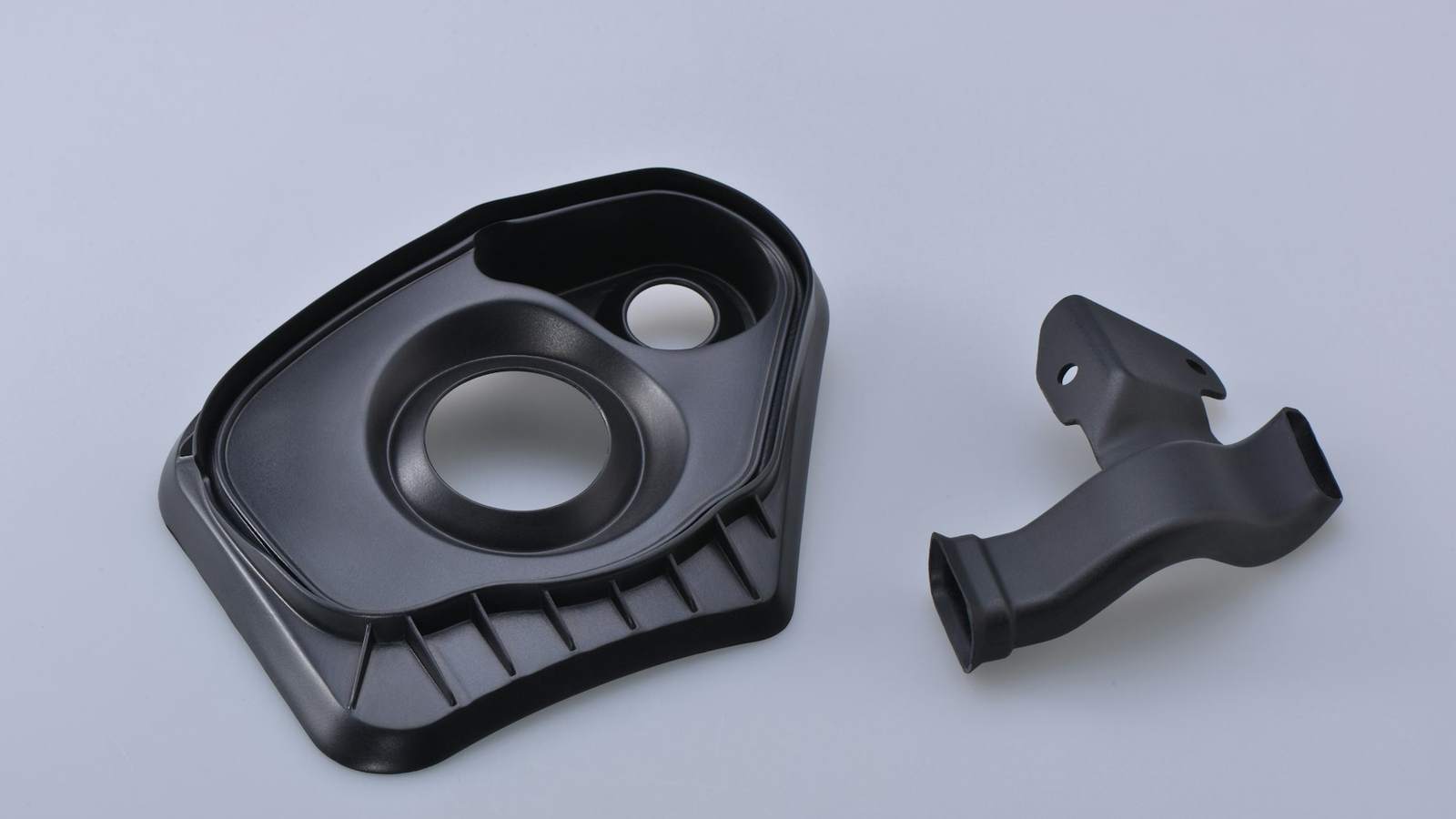
Who Owns the Mould? Settle It Before You Pay for Tooling
Read more →
Putting Your Own Brand on a Chinese Product
Read more →No guide matches that search yet. Ask us on WhatsApp and we will answer.
Tell us what you're shipping.
Product, quantity and delivery city are enough to start. We reply within 24 hours with a door-to-door quote.