

September 9, 2026
How to Order Samples from a Chinese Supplier (and What to Check)
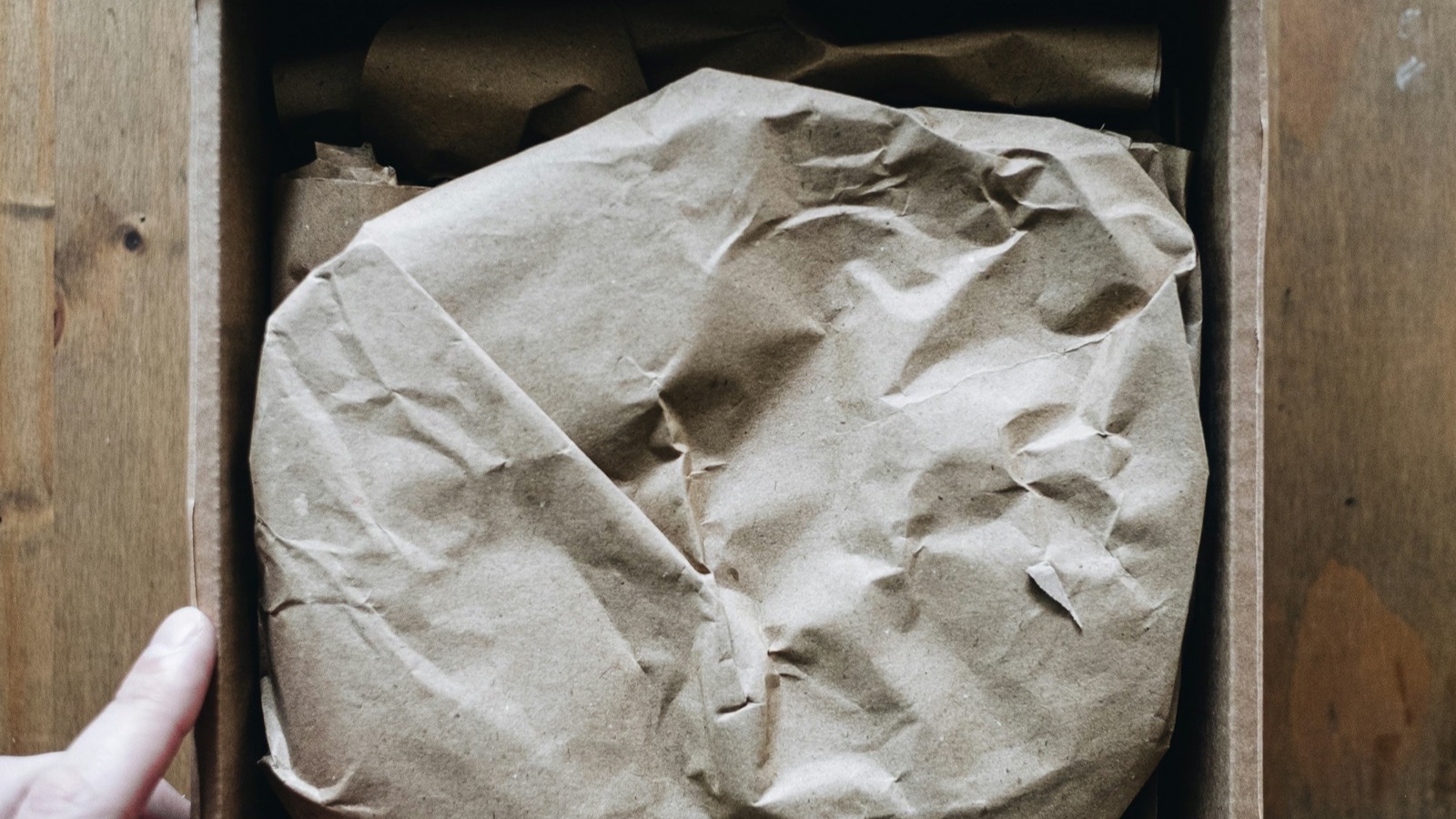
Almost every expensive importing mistake could have been avoided for the price of one sample and a courier fee.
That is not an exaggeration. The wrong material, the colour that looked different on screen, the mechanism that fails after twenty uses, the packaging that will not survive a sea voyage — all of it is visible in a single unit, weeks before you commit to a container.
Yet the sample stage is where first-time importers rush, because it feels like a delay rather than a step.
Why the sample decides the order
A product listing is marketing. Photographs are lit, retouched and often not of the item the factory will actually make for you. Specifications are copied between listings and are frequently wrong in small ways that matter.
A sample is the only point in the process where you hold the actual thing before money is at risk. Everything you learn afterwards — at inspection, at the port, in your warehouse — costs more to act on.
There is a second function too. How a supplier handles your sample request tells you a great deal about how they will handle your order. A factory that responds quickly, sends what you asked for, and includes what you did not think to ask for is showing you something. So is one that takes three weeks and sends the wrong colour.
What a sample costs, and why
Expect to pay for the sample itself and for the courier, and expect the combined cost to feel disproportionate to a single unit. It usually is, and that is normal rather than a sign of being overcharged.
Suppliers commonly charge more than the unit price for a sample, because producing one item outside a production run is genuinely inefficient for them. Many will offer to deduct the sample cost from a subsequent bulk order, which is worth asking about directly.
The courier charge is often the larger number. Express shipping a small parcel from China to Bangladesh is expensive relative to the goods, and there is no economical way around it for a single item. Treat it as a cost of due diligence, not a cost of goods.
Be cautious of a supplier who offers samples entirely free with no conditions on a first contact. It is not always a warning sign, but it is often a sign that the margin on your eventual order is large enough to absorb it.
The golden sample problem
This is the trap that catches experienced importers, not just new ones.
The sample a factory sends is the best unit they are capable of producing. It may have been made by hand, checked individually, and selected from several attempts. Production quality is an average; your sample is the ceiling.
This does not mean suppliers are being dishonest. It means the sample answers the question "can you make this?" and not the question "will you make this consistently?"
Two things help:
- Ask for more than one unit where cost allows, so you see variation rather than a single best case
- Treat the sample as the standard, in writing — state explicitly that bulk production must match the approved sample, and keep the sample sealed and labelled as your reference
That retained sample becomes your evidence later. If a shipment arrives wrong, a sealed approved sample sitting in your office is worth far more in a dispute than a description — which is exactly the position our guide to what to do when goods arrive wrong describes.
What to actually check when it arrives
Go beyond "does it look right".
- Materials and weight. Weigh it. A cheaper grade of plastic or a thinner steel gauge shows up as grams. Compare against the specification you were quoted.
- Function, repeatedly. Operate the mechanism fifty times, not twice. Failures cluster.
- Electrical compatibility. Voltage, plug type and frequency must suit Bangladesh, not the factory's domestic market.
- Labelling and markings. Check what is printed on the product and its packaging, including country of origin and any certification marks.
- The packaging itself. Ask how the bulk order will be packed, because sample packaging is usually not production packaging, and a carton that survives a courier may not survive a container.
- Photograph everything, including the packaging as received, before you open it.
If your product will need standards testing on arrival, this is also the moment to check whether it plausibly conforms — our guide to BSTI clearance explains which categories that applies to, and finding out at sample stage is enormously cheaper than finding out at the port.
Getting the sample to Bangladesh
For a single item, express courier is normally the only sensible route. It is fast and it is expensive, and both of those are the point.
A few practical notes. Ask the supplier to declare the parcel accurately — an under-declared sample can create a customs problem out of proportion to its value. Ask for the tracking number rather than waiting to be given it. And if you are ordering samples from several suppliers at once, consider having them delivered to a consolidation address in China and forwarded together, which is one of the things a China warehouse address is for and is usually cheaper than several separate international couriers.
If you are sourcing through a domestic Chinese platform, this is not optional — most sellers there will only ship domestically anyway, as our guide to buying from 1688 explains.
The sample most people skip
There is a second sample stage that matters more than the first, and almost nobody uses it.
Before the factory ships your bulk order, ask for a production sample — a unit pulled from the actual run, not from the shelf. Compare it against your retained approved sample. If they differ, you have found the problem while the goods are still in China and while you may still owe a balance.
That is the same logic as pre-shipment inspection, and for smaller orders where a full inspection is not economical, a production sample is a reasonable substitute.
A sensible sequence
Shortlist three or four suppliers using the checks in our guide to vetting a supplier on Alibaba. Request samples from at least two, so you have something to compare against rather than a single data point.
Pay for them. Evaluate them properly, on the checklist above rather than on impression. Keep the winner sealed and labelled with the date and the supplier name.
Then order, with the approved sample written into your terms as the standard.
The whole exercise costs a few thousand taka and a couple of weeks. Skipping it has cost importers considerably more than that, repeatedly.
Ready to ship? Explore our sea freight, air freight, sourcing, and customs clearance services from China to Bangladesh.
Get a Sourcing & Shipping Quote ← All posts
Related Articles
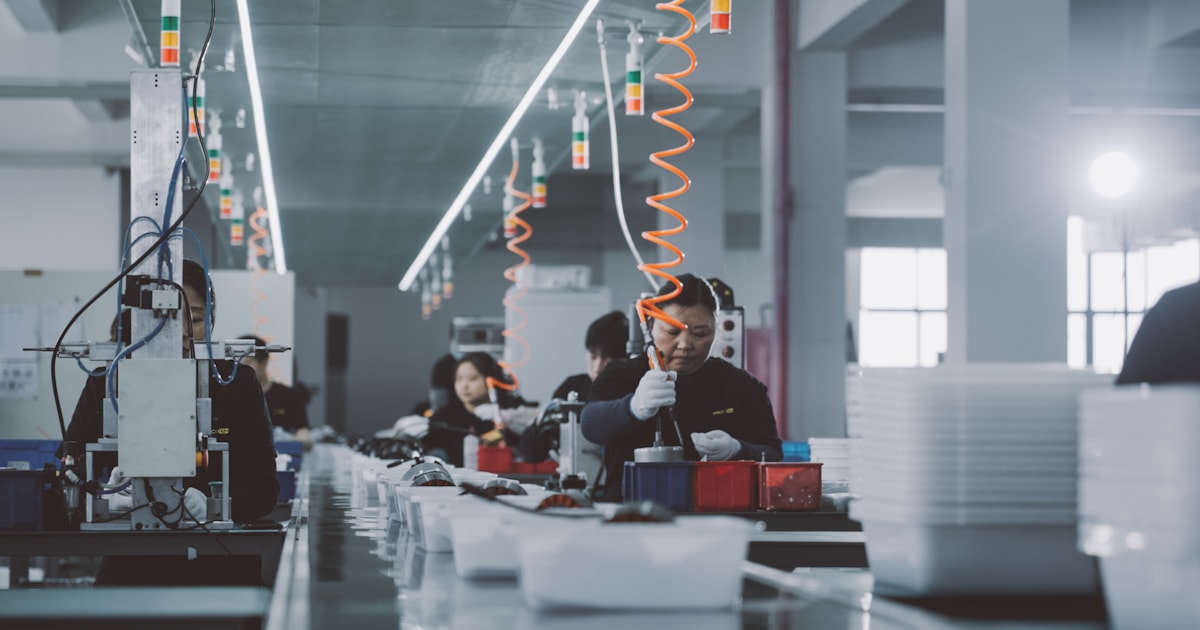
How to Find a Reliable Supplier on Alibaba (and Avoid Scams)
Read more →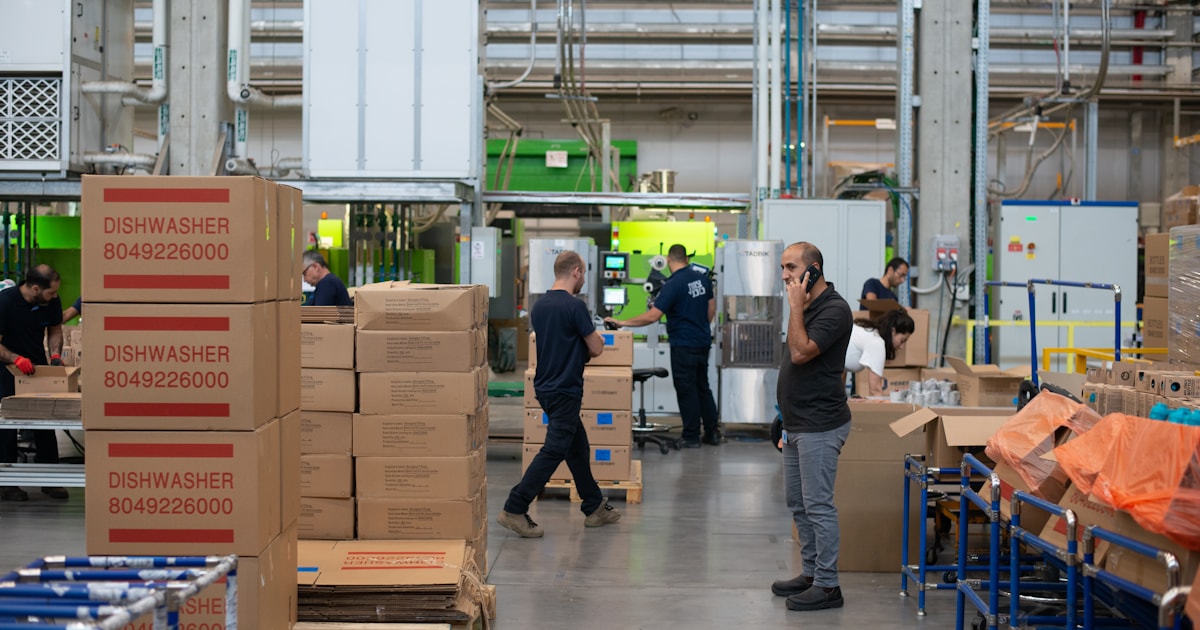
Why Pre-Shipment Quality Inspection Saves You Money
Read more →
The Supplier Sent the Wrong Goods. Now What?
Read more →
What Is 1688 and Can You Buy From It in Bangladesh?
Read more →
BSTI Clearance: When Your Imported Goods Need a Standards Certificate
Read more →
What You Cannot Import into Bangladesh (and What Needs Permission)
Read more →
Branded Goods, Copies and Customs: The Import Risk Nobody Prices In
Read more →
Quality Fade: Why Your Fourth Order Is Worse Than Your First
Read more →
Who Owns the Mould? Settle It Before You Pay for Tooling
Read more →No guide matches that search yet. Ask us on WhatsApp and we will answer.

Tell us what you're shipping.
Product, quantity and delivery city are enough to start. We reply within 24 hours with a door-to-door quote.