

September 14, 2026
Quality Fade: Why Your Fourth Order Is Worse Than Your First
The first order was excellent. That is why you placed a second one.
The second was fine too. By the fourth, customers start mentioning that the product feels lighter, the stitching gives way sooner, the colour is a shade off. Nothing is dramatically wrong. You compare the new stock against your memory of the old, and your memory says it is about the same.
It is probably not the same. There is a name for this, and it is common enough that anyone importing the same product repeatedly should plan for it.
What quality fade is
The term was popularised by Paul Midler in his book Poorly Made in China, an insider account of the trade between foreign importers and Chinese factories. He used it to describe a gradual, unannounced reduction in the quality of materials in order to widen a margin.
The important word is gradual. The sample is right. The first production run is right. Then, run by run, small things change: a thinner gauge of metal, a cheaper grade of plastic, a lighter carton board, fewer stitches per inch, a component from a cheaper sub-supplier. Each change is small enough to pass on its own. Together they add up to a different product sold to you at the same price.
Among the examples Midler described were shipping cartons that had quietly become too weak to hold their contents.
Why it happens
It is worth being clear-headed here, because the explanation has less to do with nationality than with incentives, and those incentives exist for any factory working to a fixed price.
- Your price is fixed; their costs are not. Raw materials, wages and exchange rates move. A factory that quoted you last year and has not raised its price has absorbed those changes somewhere
- Repeat orders get squeezed. Many importers ask for a lower price on the second order because they are ordering again. A supplier that agrees to a price it cannot sustain has to find the difference
- Materials are the easiest place to find it. Labour and overheads are hard to cut quickly. Inputs are not, and a material change is invisible from the outside
- Scrutiny drops after the first order. Importers check the first order carefully and relax once trust is established, which is exactly when a change is least likely to be noticed
Quality control firm InTouch Quality draws the link directly: push a supplier's price hard enough and cheaper materials and substituted components become a predictable result. That does not excuse a factory making secret changes. It does mean part of the prevention lies in how you negotiate.
Why importers miss it
Midler's observation was that quality fade tends to appear in the last place an importer thinks to look. That is not a coincidence. A change to something obvious gets caught, so changes go where nobody checks.
- Inside the product: internal components, fillers, the thickness of a part hidden under a cover
- In weight rather than appearance: a product can look identical and weigh noticeably less
- In the packaging: carton board, inner packing, print and label quality
- In durability: the product looks fine on arrival and fails in the customer's hands three months later
There is also a comparison problem. If you are judging this order against your recollection of the last one, you will not see a five per cent change. You need something physical to compare against.
How to catch it, and how to prevent it
Write the specification down, in numbers
"Same as last time" is not a specification. Record what the product actually is: materials and grades, dimensions, unit weight with a tolerance, thickness or gauge where it matters, component brands or models for anything electrical, and the carton board and packing method. Harris Sliwoski, the law firm behind China Law Blog, describes a long run of quality disputes that came down to buyers never putting clear quality requirements into their manufacturing contracts.
Add a no-change clause
State in your purchase order or contract that the supplier may not change materials, components, sub-suppliers or production location without your written approval. It will not stop a determined factory, but it turns a quiet substitution into a clear breach you can point to.
Keep a reference sample from every order
Our guide to ordering samples explains why the approved sample should be kept sealed as your standard. For repeat stock, go one step further and keep a labelled unit from every shipment. Then you are comparing order four against order one, not against memory.
Weigh and measure every shipment
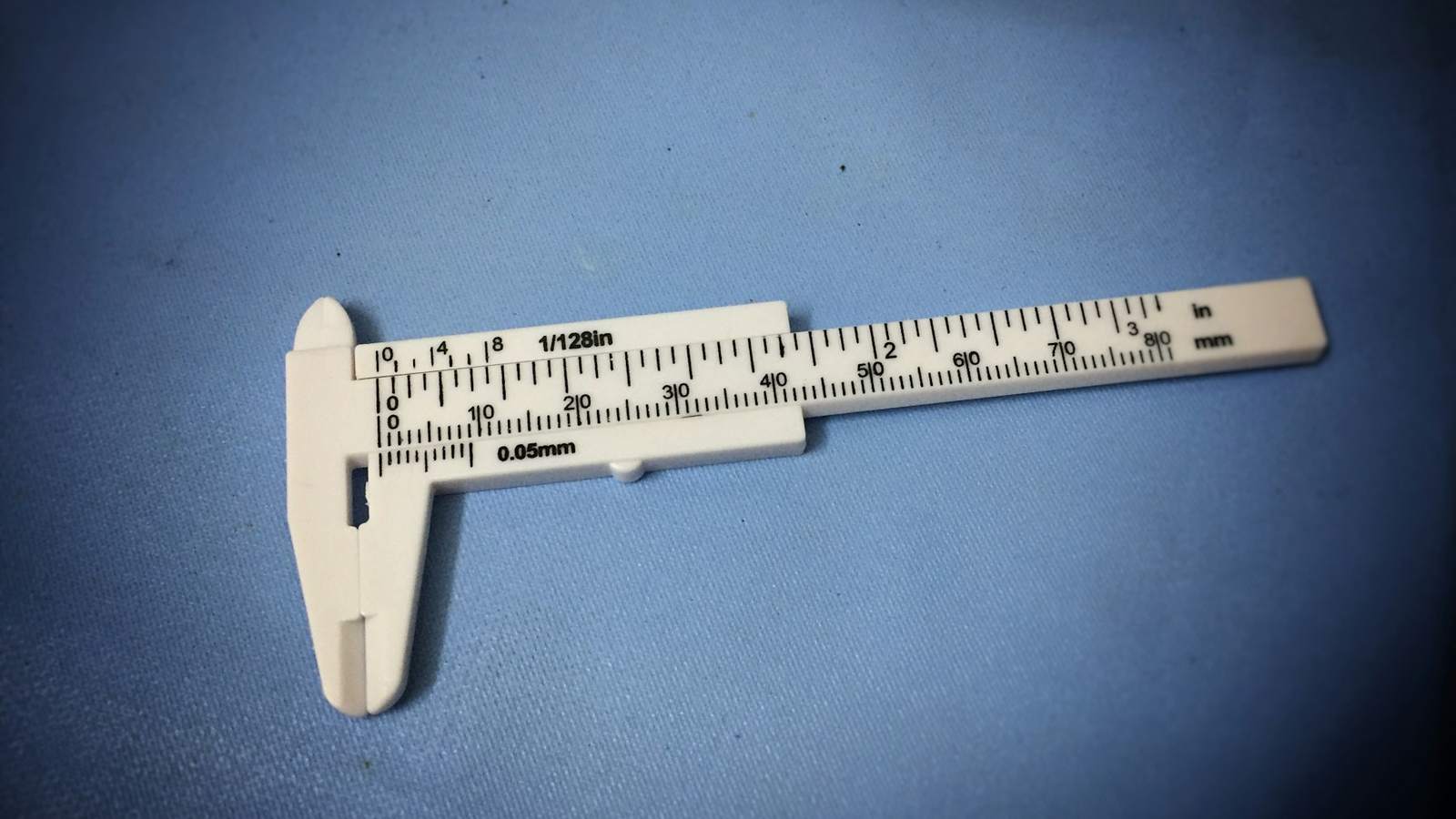
This is the cheapest check there is. Record the unit weight and a few key dimensions of the approved sample, then check a handful of units from each new shipment against them and keep the numbers in a simple log. Drift that is invisible to the eye is often obvious on a scale.
Keep inspecting repeat orders
The instinct is to stop paying for pre-shipment inspection once a supplier has proved reliable. If quality fade is the risk you are managing, that is backwards. Give the inspector your written specification and a reference sample, and ask them to weigh and measure rather than just look.
Keep leverage until the goods are checked
Paying the full balance before anyone has checked the goods removes the factory's main reason to fix a problem. Our guide to paying suppliers safely covers structuring payment so that something is still owed when inspection happens.
Negotiate price honestly
When a supplier says raw material costs have risen, insisting the price stays exactly where it was may be the worst response available. You might keep the price and receive a quietly different product. It is often better to ask for a cost breakdown, agree in writing which materials the price covers, and accept a justified increase in exchange for a firm specification. Build that possibility into your costing, the same way you would allow for exchange rate movements.
Watch for the signals
A price that stays flat while input costs are clearly rising. Packaging that changes slightly without explanation. A new contact person, or a sudden change in lead times. A factory "improving" something you never asked to have improved. None of these proves anything on its own, but each is a good reason to look more closely at the next shipment.
If you have already found it
Treat it as a supplier quality problem, not bad luck. Gather the evidence: reference units from earlier orders, weights and measurements side by side, and photographs. Then raise it in writing. The approach in our guide to dealing with wrong or defective goods applies here too: document first, work out what leverage you still have, and negotiate for an outcome that is achievable.
Then fix the process for the next order, not just this one. The aim is not to catch the supplier out. It is to make a quiet change more trouble for the factory than simply making the product you agreed.
Ready to ship? Explore our sea freight, air freight, sourcing, and customs clearance services from China to Bangladesh.
Get a Sourcing & Shipping Quote ← All posts
Related Articles

How to Order Samples from a Chinese Supplier (and What to Check)
Read more →
Why Pre-Shipment Quality Inspection Saves You Money
Read more →
How to Pay Chinese Suppliers Safely from Bangladesh
Read more →
The Exchange Rate Is Part of Your Landed Cost
Read more →
The Supplier Sent the Wrong Goods. Now What?
Read more →
Who Owns the Mould? Settle It Before You Pay for Tooling
Read more →
Putting Your Own Brand on a Chinese Product
Read more →No guide matches that search yet. Ask us on WhatsApp and we will answer.

Tell us what you're shipping.
Product, quantity and delivery city are enough to start. We reply within 24 hours with a door-to-door quote.