

September 8, 2026
The Supplier Sent the Wrong Goods. Now What?

The container is open. The cartons are stacked in your warehouse. And what is inside is not what you ordered — wrong specification, wrong colour, a material that is visibly cheaper than the sample, or a quantity that does not match the invoice.
This is a different problem from a damaged shipment, and it needs a different response. Knowing which problem you actually have determines what you can do about it.
First, the hard part: insurance will not help
Cargo insurance covers loss and damage in transit — a container overboard, water ingress, crushing, theft. It is designed around what happens to your goods between the factory gate and your warehouse.
It does not cover a supplier sending you the wrong thing. If the goods arrived exactly as they were loaded, and the problem is that they should never have been loaded in that condition, there has been no insured event. Our guide to what cargo insurance actually covers sets out that boundary in more detail, and it is worth understanding before you need it rather than after.
What you have is a commercial dispute with your supplier. That is a different mechanism entirely, and your position in it was largely determined before the goods ever shipped.
Document it before you move anything
Whatever you do next, do this first, and do it before cartons are opened further, redistributed or sold.
- Photograph the cartons sealed, showing labels, carton marks and any seal numbers
- Photograph the opening, so there is a continuous record that the contents came from those cartons
- Photograph the defect clearly, next to the sample or the specification sheet if you have one
- Count and weigh, and record the actual quantity against the packing list
- Keep the packaging, including inner packaging and any factory labels
Evidence gathered after goods have been moved around a warehouse is worth much less. A supplier's first response to a quality complaint is frequently to suggest the damage happened after arrival, and photographs taken at the point of opening are what close that argument.
Record the date. If your remedy depends on a platform dispute process, the clock usually starts at delivery.
Your leverage depends on how you paid
This is the part that decides most outcomes, and it is decided months earlier.
If you still owe money, you have real leverage. A balance outstanding on the order is the strongest position you can be in, because the supplier has an incentive to resolve rather than ignore. Do not pay the balance to "keep the relationship good" while a dispute is open.
If you paid in full by bank transfer before shipment, your leverage is weak. The money is gone, the supplier has it, and you are relying entirely on their willingness to make it right. This is why paying a full balance up front against a first order with an unfamiliar supplier is a risk rather than a courtesy.
If you paid by letter of credit, the position is more structured but not automatically better. An LC pays against documents that conform to its terms, not against goods that conform to your expectations. If the supplier presented compliant documents, the bank has paid correctly even if the goods are wrong. Our guide to paying Chinese suppliers safely explains where each method leaves you if something goes wrong.
Your leverage depends on where you bought
Ordered and paid through Alibaba.com — the platform operates a Trade Assurance dispute process for orders placed and paid through it. It is not automatic and it is not unlimited, so read the terms attached to your specific order, and note that paying the supplier outside the platform to save a fee usually takes the order outside that protection entirely.
Bought through 1688 or a domestic Chinese platform — dispute processes there assume a Chinese buyer operating under Chinese norms, which is one of the trade-offs described in our guide to buying from 1688. If you used a sourcing agent, they are your route to any remedy, because they are the party the supplier actually contracted with.
Dealt with the factory directly, off-platform — you have a contract and whatever your written record supports. In practice, most resolutions at this level are negotiated commercially rather than pursued legally, because cross-border enforcement for a shipment worth a few lakh taka costs more than the shipment.
What a realistic outcome looks like
Managing expectations here saves a lot of wasted effort.
A full refund plus return shipping is uncommon. Returning goods to China is expensive, and a supplier who has already been paid has little incentive to agree to it. What is achievable, in rough order of likelihood, is:
- A discount on the current shipment, letting you sell the goods at a lower margin
- Credit against your next order, which suits a supplier who wants continuing business
- Free replacement of the defective portion, shipped with your next consignment to avoid separate freight
- Partial refund, usually negotiated rather than demanded
Push for a written agreement on whichever outcome you reach, including how and when it will be honoured. "We will take care of you next time" is not an agreement.
Be realistic about proportion, too. If the defect affects a small share of the goods and they remain sellable, the time you spend fighting may exceed what you recover.
The uncomfortable conclusion
Almost every strong position in a supplier dispute is built before the goods ship, not after.
An inspection at the factory, before the balance is paid and before the container is sealed, converts this entire situation from a dispute into a decision — you simply do not accept the goods. That is why pre-shipment inspection is the single highest-return thing an importer can do, and why it looks expensive right up until the first time it saves a container.
The same applies to supplier selection. The checks in our guide to finding a reliable supplier on Alibaba are cheap compared with what a bad first order costs.
If you are in the middle of this now, work through it in order: document, establish what you still owe, check what protection your payment route and platform actually give you, and open the conversation in writing with photographs attached. Then negotiate for the outcome that is achievable rather than the one that feels deserved.
Ready to ship? Explore our sea freight, air freight, sourcing, and customs clearance services from China to Bangladesh.
Get a Sourcing & Shipping Quote ← All posts
Related Articles
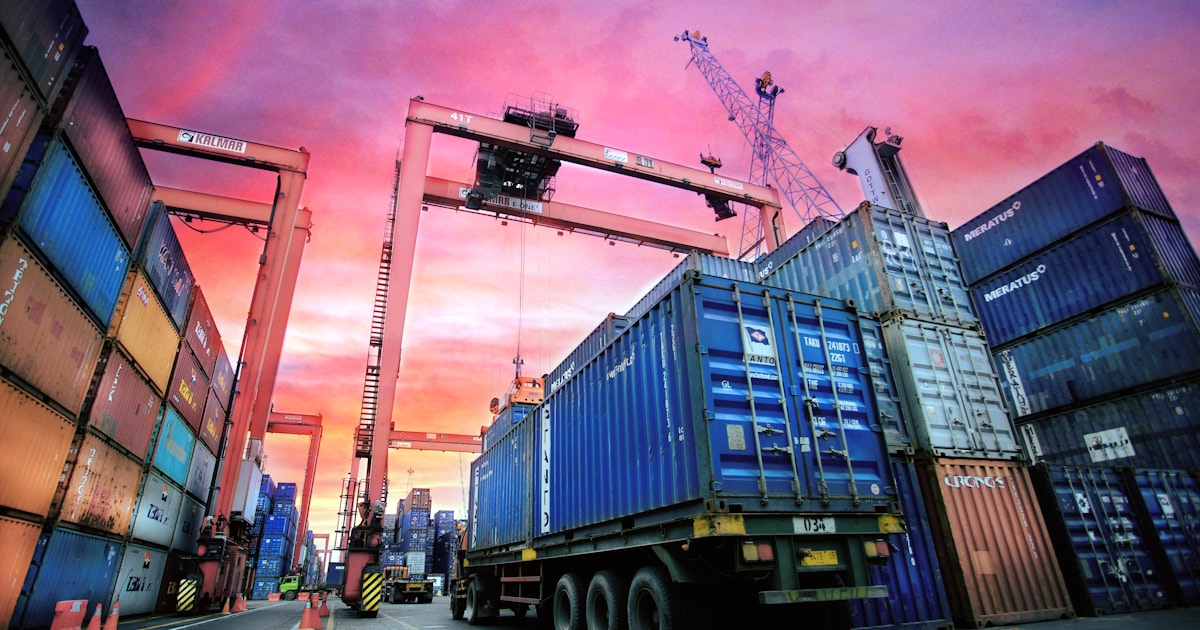
Do You Need Cargo Insurance for Your Shipment?
Read more →
Why Pre-Shipment Quality Inspection Saves You Money
Read more →
How to Pay Chinese Suppliers Safely from Bangladesh
Read more →
How to Find a Reliable Supplier on Alibaba (and Avoid Scams)
Read more →
What Is 1688 and Can You Buy From It in Bangladesh?
Read more →
How to Order Samples from a Chinese Supplier (and What to Check)
Read more →
How a Letter of Credit Actually Works (and Where It Goes Wrong)
Read more →
What You Cannot Import into Bangladesh (and What Needs Permission)
Read more →
Container Rain: Why Goods Arrive Wet When Nothing Leaked
Read more →
Quality Fade: Why Your Fourth Order Is Worse Than Your First
Read more →No guide matches that search yet. Ask us on WhatsApp and we will answer.
Tell us what you're shipping.
Product, quantity and delivery city are enough to start. We reply within 24 hours with a door-to-door quote.