

September 11, 2026
What You Cannot Import into Bangladesh (and What Needs Permission)
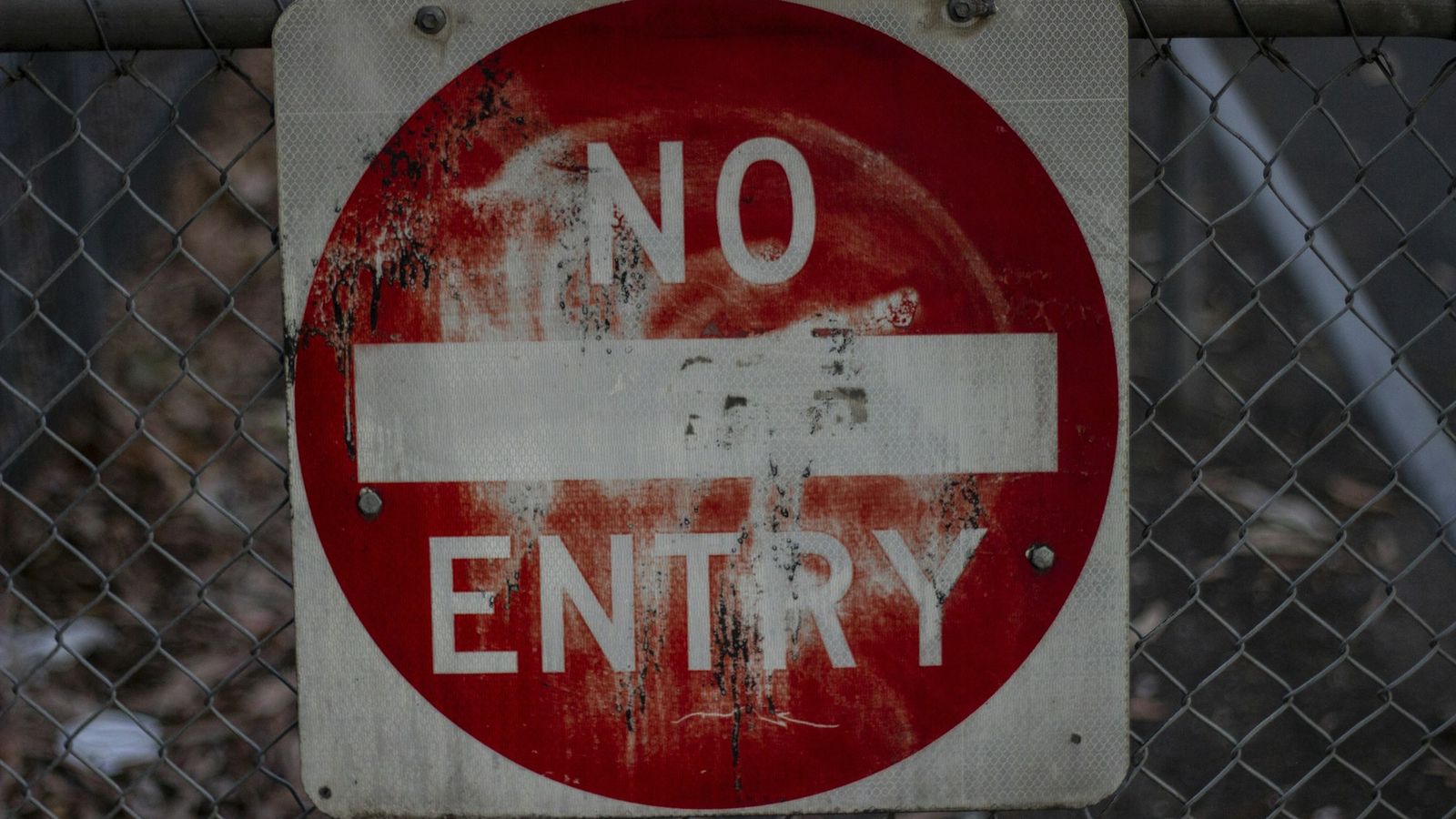
Most importing problems are about cost or delay. This one is different. Some goods cannot be brought into Bangladesh at all, and the consequence is not a fee — it is a consignment you cannot release, cannot sell, and may not get back.
The uncomfortable part is that the goods most often caught are not exotic. They are ordinary commercial items that looked like a bargain.
It is three tiers, not two
Importers tend to think in terms of allowed and banned. The Import Policy Order, administered by the Office of the Chief Controller of Imports and Exports, actually works in three tiers.
- Freely importable — the large majority of goods, subject to normal duty and documentation
- Restricted, or conditionally importable — permitted only if a condition is met: prior permission from a particular authority, a licence, a test certificate, or a status you hold
- Banned — not importable, regardless of who you are or what you are willing to pay
The middle tier is where most confusion lives, because "restricted" sounds like "difficult" when it actually means "impossible unless you have the specific thing they ask for".
The ban that catches China importers most
If one category is going to catch you, it is this one: used, second-hand, reconditioned and sub-standard goods, and factory rejects.
This matters because it describes a large share of what gets offered cheaply out of China. Stock lots. Factory seconds. Reconditioned machinery. Overruns from a cancelled order. A supplier offering a price that seems impossibly good is frequently offering exactly the category that cannot legally enter Bangladesh.
The reasoning behind the rule is economic protection rather than safety, but the effect on you is the same either way. And it is not something a clearing agent can quietly work around at the port.
If you are offered goods described as seconds, rejects, refurbished, reconditioned or "stock lot", establish what that means in customs terms before you pay anything. The saving is not a saving if the container cannot be cleared.
Note also that certain reconditioned equipment is restricted even where new equivalents are freely importable, and that ocean-going vessels above a specified age cannot be imported at all.
Categories that need permission, not prohibition
Several categories are importable but only by particular parties or with particular approvals.
- Pharmaceuticals — restricted to licensed importers and authorised industrial users
- Arms and ammunition — government agencies only
- Goods requiring prior permission from a named authority before import
- Products needing a standards certificate on arrival, which is a separate mechanism covered in our guide to BSTI clearance
There is also a standing prohibition on goods originating in Israel and on shipment aboard vessels flying the Israeli flag, which is worth knowing if you are quoted a routing rather than choosing one.
The labelling requirement people forget
Imported goods generally must carry country-of-origin marking, with a small set of exceptions including coal, cotton, aluminium and export-oriented garments.
This sounds trivial until a consignment arrives with the marking printed only on the outer carton, or not at all, because the factory produces for a domestic market where nobody asks. Specify it in your purchase order, and check it at sample stage rather than discovering it when the goods are already on the water.
Food, agriculture and radiation testing
If you import food or agricultural products, there is an additional layer. Nuclear radiation testing is required for categories including dairy products, edible oils, seeds and grains.
This runs alongside BSTI conformity testing rather than replacing it, and the certificates involved generally originate on the exporting side — meaning they have to be arranged with your Chinese supplier before shipment, not requested after arrival.
What actually happens if you get it wrong
The outcome depends on the category and on the customs assessment, but none of the outcomes are good.
A consignment that cannot be cleared does not simply sit quietly. Storage accrues from the day it lands, and demurrage and detention charges build regardless of whose fault the problem is. Meanwhile you may be facing re-export at your own cost, or in some cases forfeiture.
Your supplier, having been paid and having shipped exactly what was agreed between you, is unlikely to consider it their problem. And because the goods are non-compliant rather than defective, the remedies in our guide to disputes over wrong goods do not really apply — the supplier did what you asked.
This is a risk that sits with the importer almost entirely.
How to check before you order
The good news is that this is one of the cheapest checks in importing, because it happens entirely before money moves.
- Start from your HS code, not the product name. Control lists are organised by classification, so the same trade name can sit in two different positions depending on what the item actually is. Our guide to finding your HS code covers how to get that right
- Check the current Import Policy Order, not a summary. The order is revised periodically and an answer that was correct three years ago may not be correct now
- Ask your clearing agent before you pay a deposit. A good C&F agent will tell you in one message whether a category is problematic, and that conversation costs nothing
- Be specific with your supplier about condition. "New, unused, first quality" written into the purchase order is a sentence that has saved a lot of containers
- Treat an unusually low price as a question, not an opportunity. Ask what makes it that cheap, and listen carefully to the answer
If you are not yet a registered importer, that is the prior step — our guide to the Import Registration Certificate covers it, and registration does not by itself entitle you to import a controlled item.
The short version
Nearly everything you want to buy from China is freely importable. The problems concentrate in a narrow band: used and reconditioned goods, factory rejects, a handful of licensed categories, and food products needing certificates that must come from the exporting side.
Check the classification, ask the agent, and be suspicious of bargains that hinge on the word "stock lot".
The control lists and the Import Policy Order are revised from time to time, so confirm the current position with the CCI&E, the National Board of Revenue or your clearing agent before committing to an order rather than relying on any summary, including this one.
Ready to ship? Explore our sea freight, air freight, sourcing, and customs clearance services from China to Bangladesh.
Get a Sourcing & Shipping Quote ← All posts
Related Articles
What Is an IRC and Do You Need One to Import into Bangladesh?
Read more →
BSTI Clearance: When Your Imported Goods Need a Standards Certificate
Read more →
How to Find Your Product's HS Code (Step-by-Step)
Read more →
What Documents You Need to Clear Customs in Bangladesh
Read more →
Demurrage and Detention: What They Are and How to Avoid Them
Read more →
Branded Goods, Copies and Customs: The Import Risk Nobody Prices In
Read more →
What a C&F Agent Actually Does (and How to Choose One)
Read more →
Importing Used and Reconditioned Goods into Bangladesh
Read more →No guide matches that search yet. Ask us on WhatsApp and we will answer.
Tell us what you're shipping.
Product, quantity and delivery city are enough to start. We reply within 24 hours with a door-to-door quote.