

August 21, 2026
What Is an IRC and Do You Need One to Import into Bangladesh?
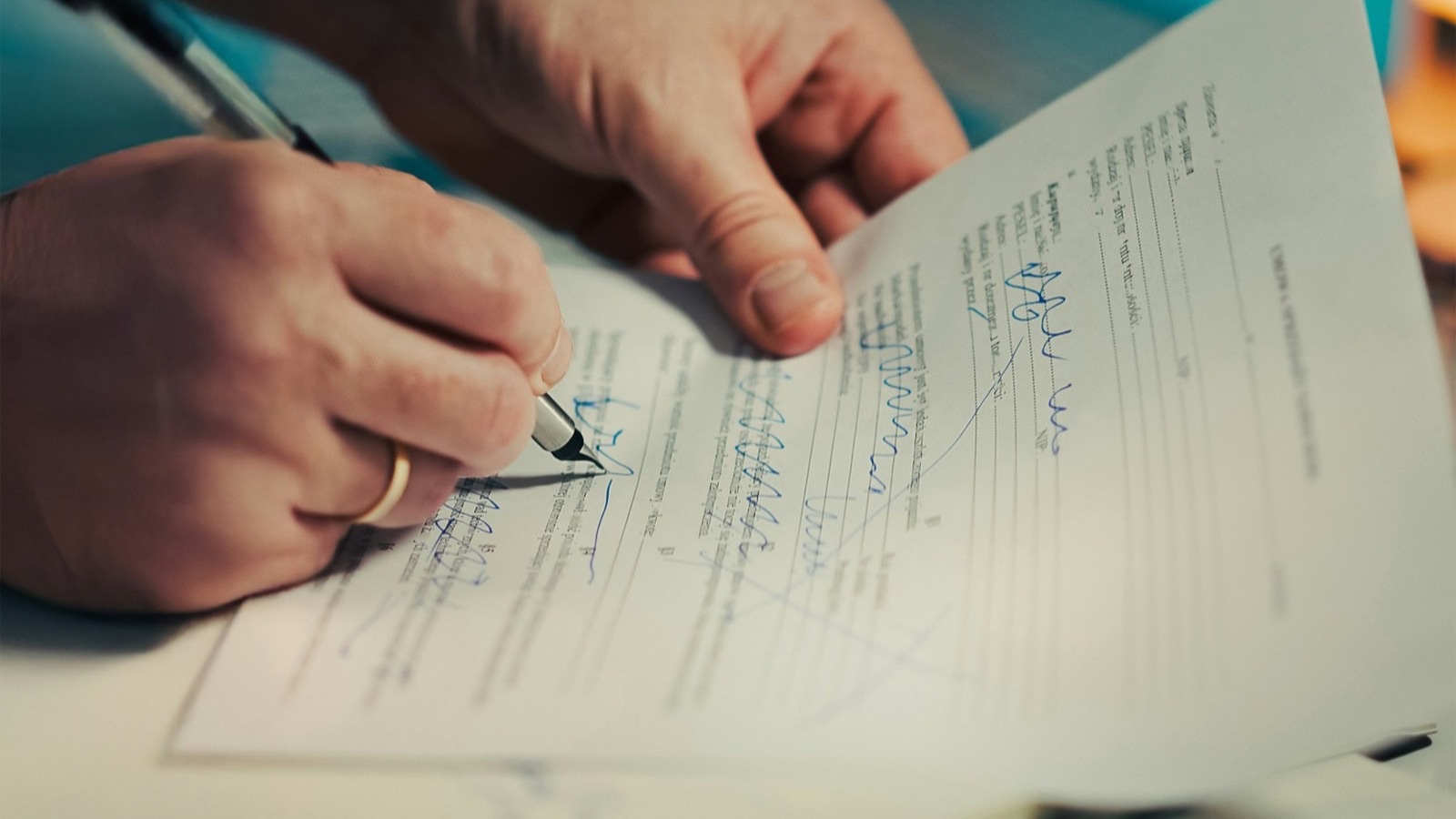
Every so often a first-time importer finds a supplier, agrees a price, and only then discovers they cannot legally bring the goods in. The missing piece is almost always the same one: an Import Registration Certificate.
It is not an obscure formality. Without it you cannot open a letter of credit, and you cannot clear commercial goods through customs. It is the document that makes you an importer in the eyes of Bangladeshi law.
What an IRC actually is
The Import Registration Certificate, universally shortened to IRC, is issued by the Office of the Chief Controller of Imports and Exports, known as the CCI&E, which sits under the Ministry of Commerce. Its legal basis is the Import Policy Order.
The certificate registers you as a person or company permitted to import commercially. Once you hold it, three things become possible that were not before:
- Your bank will open a letter of credit against your import
- Customs will accept your commercial consignment for clearance
- You can transact formally with overseas suppliers as a registered importer
Alongside the certificate itself you receive a passbook. Keep it safe. It is not decorative, and you will need it every year at renewal.
Do you actually need one?
This is the question worth answering before you spend anything.
If you are importing commercially — goods for resale, for your shop, for your factory, for your online store — then yes. This applies whether the shipment is a full container or a few cartons by air.
Personal imports of small value are a different matter and are handled under separate provisions, which is why an individual receiving a gift parcel is not required to register as an importer. The dividing line is commercial intent, not shipment size. A small trial order of goods you intend to sell is still a commercial import.
The common misunderstanding is that small quantities somehow sit outside the rules. They do not. If you are testing the market with a modest first order, our guide to importing in small quantities explains how to keep that first shipment simple, but it still needs to be a properly registered import.
What you need to apply
The CCI&E publishes the document list, and it is worth gathering everything before you start rather than discovering a gap halfway through. You will need:
- A valid trade licence (attested copy)
- Membership of a Chamber of Commerce or the relevant trade association (attested)
- Your TIN certificate (attested copy)
- A bank solvency certificate confirming your financial standing
- Citizenship certificate (attested)
- Passport-size photograph (attested)
- The original treasury challan showing you have paid the registration fee
- Partnership deed or certificate of incorporation, if you are applying as a partnership or a company
Two of these tend to be the bottleneck. The trade licence must be current, not lapsed. And the Chamber of Commerce membership is a separate application with its own timeline, so if you do not already hold one, start it first.
How the application works
The process itself is administrative rather than complicated.
You collect the IRC form from the CCI&E office, which costs nothing. You then deposit the applicable fee at Bangladesh Bank or Sonali Bank and keep the treasury challan copies as your proof of payment. With the form completed and the documents assembled, you submit everything to the CCI&E dispatch section, receive an entry number, and in due course collect your certificate and passbook.
On fees, be careful with what you read online. The registration fee is banded according to the value of imports you intend to handle — a small importer pays considerably less than a large one — and VAT applies on top. Those bands are revised from time to time, so confirm the current figures directly with the CCI&E or your Chamber rather than relying on a number you found in an article, including this one.
Renewal is annual, and people forget
The IRC is renewed every year. This catches people out more often than the original application does, because the first application feels like an event and the renewal does not.
Renewal is simpler: you present your expired certificate and the passbook, pay the annual fee by treasury challan, and collect the renewed certificate. But an expired IRC is not a technicality you can resolve after the fact. If it lapses while a shipment is in transit, your bank and your customs clearance both stop, and demurrage begins accruing at the port while you sort it out. Our guide to demurrage and detention charges covers just how quickly that becomes expensive.
Put the renewal date in a calendar the day you receive the certificate.
What an IRC does not do
Holding an IRC makes you a registered importer. It does not automatically clear every product you might want to bring in.
Some goods carry additional requirements on top of your registration — product-specific permissions, standards certification, or restrictions that apply to particular categories regardless of who is importing. Those sit outside the IRC and are assessed against what you are shipping, not against your registration status.
So the sequence to think in is: register as an importer first, then check what your specific product requires. Finding out that your chosen product needs an additional approval is much cheaper before you pay a supplier than after the goods reach Chattogram.
Your IRC is also only one of the documents a clearance needs. The commercial invoice, packing list, bill of lading and the rest still have to be correct and consistent with each other — our guide to the documents you need to clear customs walks through the full set.
Where this sits in the wider picture
An IRC is the first of three things a new importer usually needs to line up.
The registration comes first. Then comes understanding what your goods will actually cost to land, which is a function of your HS code and the duty structure attached to it rather than the invoice price alone — import duties and taxes in Bangladesh explains how that is built up. And then comes paying your supplier through a route that is both legal and safe, which for most registered importers means a letter of credit opened against exactly this certificate. Our guide to paying Chinese suppliers safely covers the options and their trade-offs.
Get those three in order and the mechanics of shipping become the straightforward part.
If you are still at the stage of working out whether importing makes commercial sense for you at all, it is worth reading the common mistakes first-time importers make before you commit to anything. Nearly all of them are cheaper to avoid than to fix.
Requirements and fee bands do change, so treat this as an orientation rather than a substitute for checking with the CCI&E or a licensing consultant before you file.
Ready to ship? Explore our sea freight, air freight, sourcing, and customs clearance services from China to Bangladesh.
Get a Sourcing & Shipping Quote ← All posts
Related Articles
What Documents You Need to Clear Customs in Bangladesh
Read more →
Understanding Import Duties and Taxes in Bangladesh
Read more →
How to Pay Chinese Suppliers Safely from Bangladesh
Read more →
Common Mistakes First-Time Importers Make (and How to Avoid Them)
Read more →
Importing in Small Quantities: A Guide for Small Businesses and E-commerce
Read more →
BSTI Clearance: When Your Imported Goods Need a Standards Certificate
Read more →
How a Letter of Credit Actually Works (and Where It Goes Wrong)
Read more →
What You Cannot Import into Bangladesh (and What Needs Permission)
Read more →
Before the LC: What Your Bank Needs to Open It
Read more →No guide matches that search yet. Ask us on WhatsApp and we will answer.

Tell us what you're shipping.
Product, quantity and delivery city are enough to start. We reply within 24 hours with a door-to-door quote.