

September 25, 2026
Importing Used and Reconditioned Goods into Bangladesh
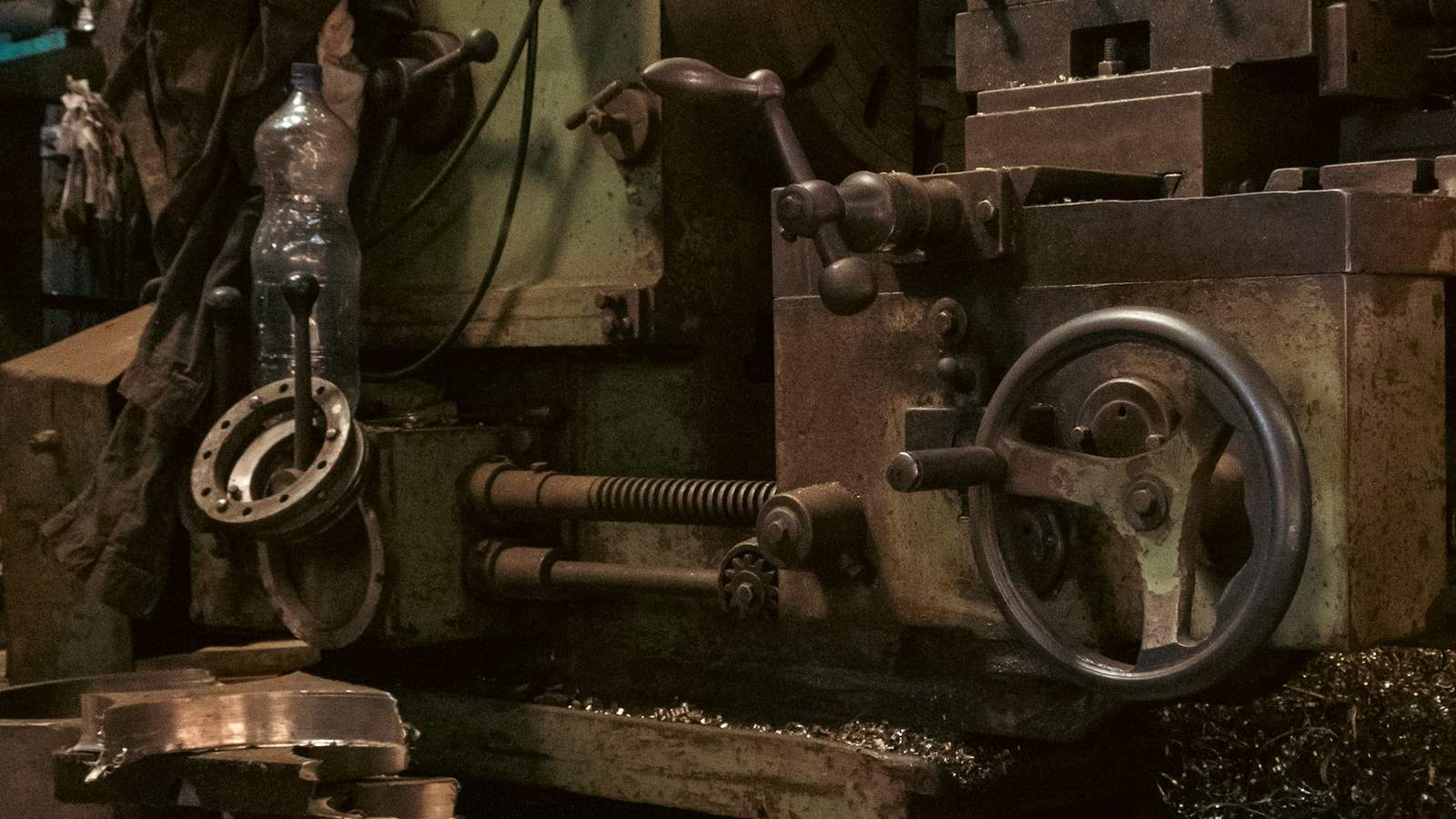
A used machine can cost a fraction of a new one, and for a small factory that difference decides whether the line gets built at all. So the question comes up constantly: can you import second-hand equipment into Bangladesh?
The answer is not a simple yes or no. Bangladesh does not treat "used" as one category. Some used goods are importable freely, some are importable subject to conditions, and some are not importable at all. The conditions are the interesting part, because they are evidentiary: what decides your shipment is usually a certificate that has to exist before the goods leave.
The pattern to understand first
For most categories of used goods, the published Import Policy Order attaches conditions of three kinds:
- An age or remaining-life threshold, expressed in years
- A certificate from a named kind of body, such as an approved surveyor or a recognised chamber of commerce
- A restriction on who may import, for example only a recognised industrial user rather than any commercial importer
Meet the conditions and the goods are importable. Miss one and you have a consignment at the port that cannot be cleared, which for heavy machinery is an expensive place to discover a paperwork problem.
Second-hand capital machinery
This is the category most readers care about.
Under the published order, second-hand or reconditioned capital machinery and generators used in industry are importable without any price limit, but a certificate must be submitted along with the bill of lading: a surveyor enlisted, nominated or appointed by the National Board of Revenue must certify that each machine has at least ten years of economic life remaining.
Generators are treated separately. For generators or generating sets, the requirement described is a certificate from the appropriate authority of the exporting country confirming the unit is not more than five years old.
The order also allows commercial importers, not only end users, to import permissible new and second-hand or reconditioned industrial capital machinery and generating sets under cash foreign exchange without a value limit.
Two practical consequences follow. The surveyor certificate is not a formality you arrange later: it travels with the shipping documents. And "ten years of economic life" is a judgement about the specific machine, which means the inspection happens where the machine is, in China, before it ships.
Engines and gearboxes
There is a separate, stricter rule for the automotive category.
Commercial import of second-hand or reconditioned engines and gearboxes for buses, trucks, cars, minibuses and microbuses is permissible, but not if the economic life is less than seven years. The certificate here comes either from the exporting country's recognised chamber of commerce and industry or from an internationally reputed surveyor, and it goes to customs at the time of release.
Second-hand or reconditioned marine diesel engines above thirty-five horsepower, of the type used in coasters, launches and self-propelled barges, are separately described as commercially importable.
How age is actually counted
The vehicle rules contain a detail worth knowing even if you never import a car, because it shows how age is computed rather than assumed.
For old cars, the age is calculated from the first day of the year following the year of manufacture of the chassis, and the manufacturing date is established from the chassis book published by the relevant automobile association, with appraisal by the Japan Auto Appraisal Institute for Japanese imports. The order also states that no old vehicle is importable from a country that does not publish a chassis book.
The lesson generalises: for used goods, age is a documented fact from a recognised authority, not the supplier's description.
Waste and scrap is a different regime
If your interest is materials rather than machines, note that waste and scrap is handled separately and more tightly. The published order limits the import of iron and steel waste and scrap to recognised bona fide user industrial units, importing against their entitlement.
In other words, it is an industrial input channel, not a general commercial trade. If someone offers you scrap on an ordinary commercial import basis, check the basis carefully.
The certificate is the import
Across all of these categories the same operational point applies, and it is the reason used-goods shipments go wrong.
The certificates are issued at origin, about the specific unit, before shipment. A surveyor cannot certify remaining economic life from Chattogram after the machine has arrived, and a chamber of commerce in the exporting country cannot backdate a document for goods that have already left.
So the sequence is: confirm the current condition for your item, arrange the inspection and certificate in China, and only then ship. This is the same logic as a pre-shipment inspection, with the difference that here the certificate is a clearance requirement rather than a commercial safeguard.
Expect the valuation conversation too. Used goods have no obvious transaction value to compare against, which is exactly the situation our guide to how customs values your goods describes, so keep the purchase evidence and the survey report together.
Which version of the rules applies to you
Here is the caveat that matters more than usual on this topic.
The conditions described above come from published Import Policy Order text. Import Policy Orders run for fixed terms and are reissued: the 2021–2024 order reached the end of its term, and a draft Import Policy Order 2025–2028 was approved by the Advisory Council on 29 January 2026, proposing changes including fully electronic duty collection, risk-based cargo management with post-clearance audit, and an appeal route for test results.
That means thresholds, certificate requirements and eligible categories may differ from the figures above by the time you order. Treat the ten-year, five-year and seven-year rules as the shape of the regime rather than as guaranteed current numbers, and confirm the operative edition with your C&F agent before you commit to a purchase.
Before you buy a used machine
- Check the item's current status, including whether it appears in the controlled list described in our guide to prohibited and restricted imports
- Ask your agent which certificate your category needs, who may issue it, and whether the surveyor must be NBR-enlisted
- Arrange the survey at origin, and budget for it as part of the landed cost
- Get the machine's build year documented, not described
- Check the duty position separately, because the concession discussed in our guide to capital machinery has its own conditions
- Plan installation and spares, since a ten-year-old machine from China may need parts that are no longer standard, a point our guide to importing industrial machinery covers
Import Policy Order conditions change between editions and are applied case by case. Confirm the current requirements for your specific item with your C&F agent or the Chief Controller of Imports and Exports before ordering.
Ready to ship? Explore our sea freight, air freight, sourcing, and customs clearance services from China to Bangladesh.
Get a Sourcing & Shipping Quote ← All posts
Related Articles
What You Cannot Import into Bangladesh (and What Needs Permission)
Read more →
How to Import Industrial Machinery from China to Bangladesh
Read more →
The Capital Machinery Duty Concession, and Why the Rate You Read Is Probably Stale
Read more →
Why Pre-Shipment Quality Inspection Saves You Money
Read more →
Why Customs May Not Accept Your Invoice Value
Read more →
What a C&F Agent Actually Does (and How to Choose One)
Read more →No guide matches that search yet. Ask us on WhatsApp and we will answer.
Tell us what you're shipping.
Product, quantity and delivery city are enough to start. We reply within 24 hours with a door-to-door quote.