

September 12, 2026
What a C&F Agent Actually Does (and How to Choose One)

We keep telling you to ask your C&F agent. Three of our recent guides end with some version of that advice. It is time we explained who that actually is, because a lot of first-time importers hire one without understanding what they are buying — and the choice matters more than the fee suggests.
What C&F stands for, and what it does not
C&F is clearing and forwarding. A C&F agent is the party that deals with Bangladesh Customs on your behalf to get your goods released.
They are not the same as two other roles that sound similar:
- A freight forwarder arranges the movement of your goods from China to Bangladesh. Our guide to choosing a freight forwarder covers that role
- A sourcing agent works on the China side, finding and managing suppliers. That is the subject of our sourcing agent guide
Some companies offer all three. That can be convenient, but it does not make the roles the same, and you should know which one you are actually evaluating when you compare quotes.
What they actually do
The core of the job is a document called the Bill of Entry.
Once your goods arrive, the shipping agent submits manifest data to customs electronically. Your nominated C&F agent then completes the Bill of Entry — in the prescribed Single Administrative Document format — and submits it through ASYCUDA World, the National Board of Revenue's electronic customs platform.
The declaration is accompanied by your documents: the letter of credit, commercial invoice, bill of lading, packing list, certificate of origin, insurance document and VAT registration. Our guide to the documents you need covers that set in detail.
Customs then assesses duties and taxes. You or your agent pays the assessment. On payment, customs issues a release order, port formalities are completed, and your goods are cleared. Our guide to what happens at Chattogram port walks through the physical side of that sequence.
That is the mechanical description. The reason the choice of agent matters is what sits inside it.
The deadline almost nobody mentions
Here is something worth knowing before it becomes urgent.
Consignments must be cleared within 21 days for air freight and 30 days for goods arriving at ports and land stations. Beyond that, goods can be disposed of by auction.
Read that again, because it is not the same as demurrage. Demurrage is a charge that accumulates. This is a deadline after which the goods may stop being yours.
In practice most shipments clear well inside the window. But if a consignment gets stuck — a document discrepancy, a classification dispute, a missing certificate, an importer travelling and unreachable — the clock is running against something more serious than storage fees. And storage is running too, as our guide to demurrage and detention explains.
An agent who tells you on day 22 that there is a problem has failed at the part of the job you were paying for.
Where a good agent earns the fee
The difference between a competent C&F agent and a cheap one is not the filing. Anyone licensed can file. The difference shows up in four places.
Classification. Your HS code determines your duty rate, and getting it wrong costs money in both directions — an under-assessment invites a dispute, an over-assessment means you paid more than you needed to. A good agent will tell you the likely code before you order rather than after arrival. Our guide to finding your HS code covers why it matters.
Anticipating requirements. A good agent knows that your product category needs a standards certificate, or a radiation test, or a prior permission, and says so early. That single warning can be worth more than a year of their fees.
Document consistency. Customs compares your documents against each other. A description that differs between invoice and bill of lading, a weight that does not match the packing list, a consignee name spelled two ways — these create queries, and queries create delay.
Being reachable. When customs raises a question, someone needs to answer it that day. An agent who goes quiet is worse than no agent, because you have lost time you cannot recover.
How to choose one
- Ask what they handle in your product category, specifically. Categories differ enormously in the certificates and permissions they attract
- Ask them to quote the full cost, not just their service charge — port charges, documentation, handling and any disbursements they pay on your behalf
- Ask how they will communicate, and how quickly. Get a named person, not a company mobile number
- Ask them a technical question before you hire them. What HS code do they expect for your product, and what certificates will it need? A vague answer is an answer
- Ask for references from importers in your category, and actually call one
- Start with a small shipment if you can. The first clearance tells you most of what you need to know
The part you cannot delegate
This is the most important thing in this article, and it is uncomfortable.
The declaration is submitted in your name as importer. You are the one responsible for what it says. If an agent suggests declaring a lower value, a different description or a more favourable classification than the goods actually warrant, the exposure created is yours, not theirs.
It can be presented as normal practice, or as something they will "manage". Treat that as a reason to find another agent. The apparent saving is small and the consequence is not — as our guides to prohibited categories and branded goods both show, penalties in this system can exceed the value of the shipment.
Ask for the assessment paperwork. Read what was declared on your behalf. Keep copies. A good agent expects that and has nothing to hide from it.
The short version
A C&F agent is the person who turns your arriving container into goods you can collect. The filing itself is routine; the value is in the judgement around it — right classification, requirements flagged early, documents that agree with each other, and someone who answers the phone when customs asks a question.
Choose on responsiveness and category knowledge rather than on the lowest quote. The fee difference between a good agent and a poor one is trivial next to a week of demurrage or a misclassified consignment.
Customs procedures, timelines and requirements change, so confirm current practice with your agent or the National Board of Revenue rather than relying on any general guide, including this one.
Ready to ship? Explore our sea freight, air freight, sourcing, and customs clearance services from China to Bangladesh.
Get a Sourcing & Shipping Quote ← All posts
Related Articles

What Documents You Need to Clear Customs in Bangladesh
Read more →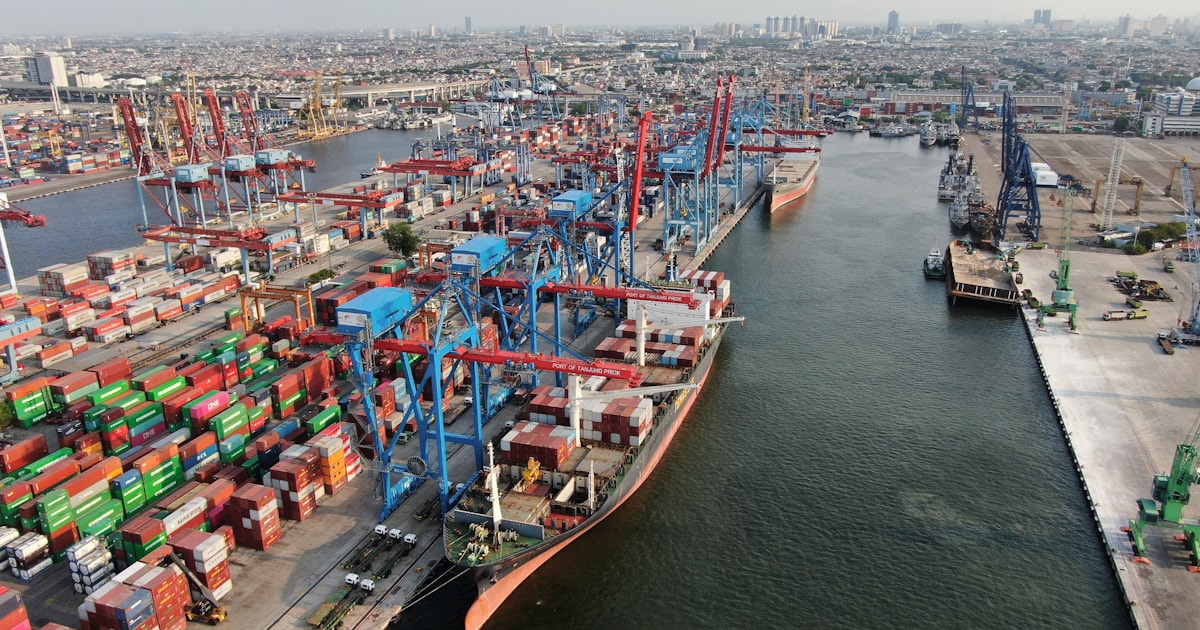
What Happens to Your Cargo After It Arrives at Chattogram Port
Read more →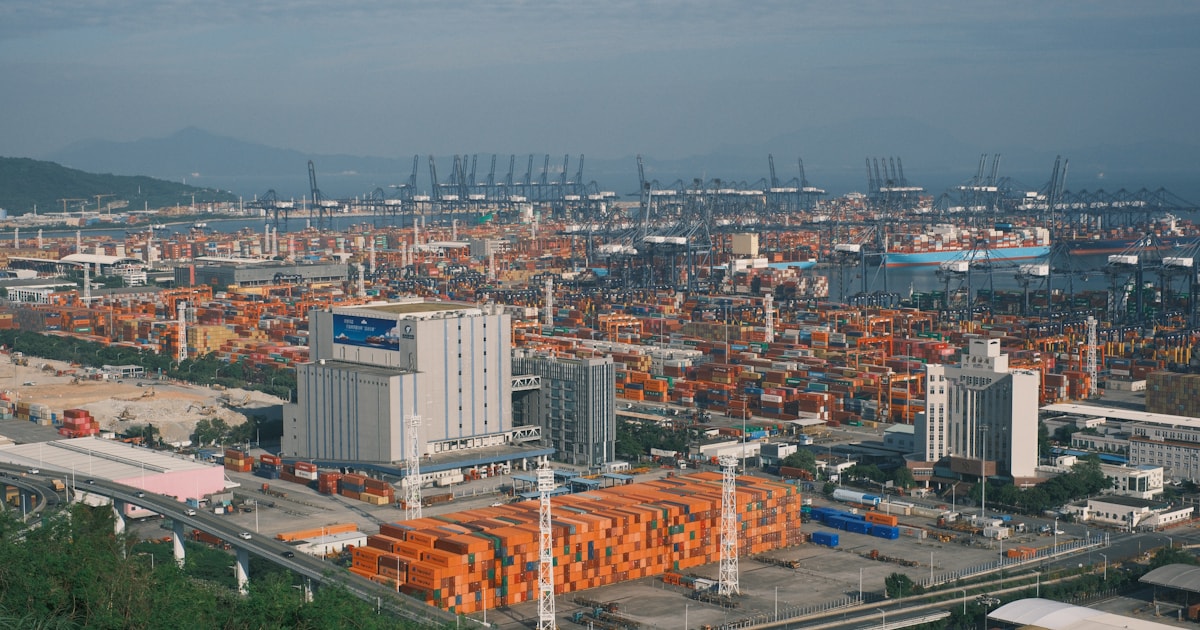
Demurrage and Detention: What They Are and How to Avoid Them
Read more →
How to Find Your Product's HS Code (Step-by-Step)
Read more →
How to Choose a Freight Forwarder for China to Bangladesh Shipments
Read more →
The Exchange Rate Is Part of Your Landed Cost
Read more →
Why Customs May Not Accept Your Invoice Value
Read more →
The Duty Discount on Chinese Goods Most Importers Never Claim
Read more →
The Capital Machinery Duty Concession, and Why the Rate You Read Is Probably Stale
Read more →
Importing Under Bond: Duty-Free Inputs for Export Production
Read more →
Duty Drawback: Getting Back the Duty You Paid on Exported Inputs
Read more →
Importing Used and Reconditioned Goods into Bangladesh
Read more →No guide matches that search yet. Ask us on WhatsApp and we will answer.

Tell us what you're shipping.
Product, quantity and delivery city are enough to start. We reply within 24 hours with a door-to-door quote.