

August 19, 2026
Shipping Batteries and Liquids by Air: What Changed in 2026
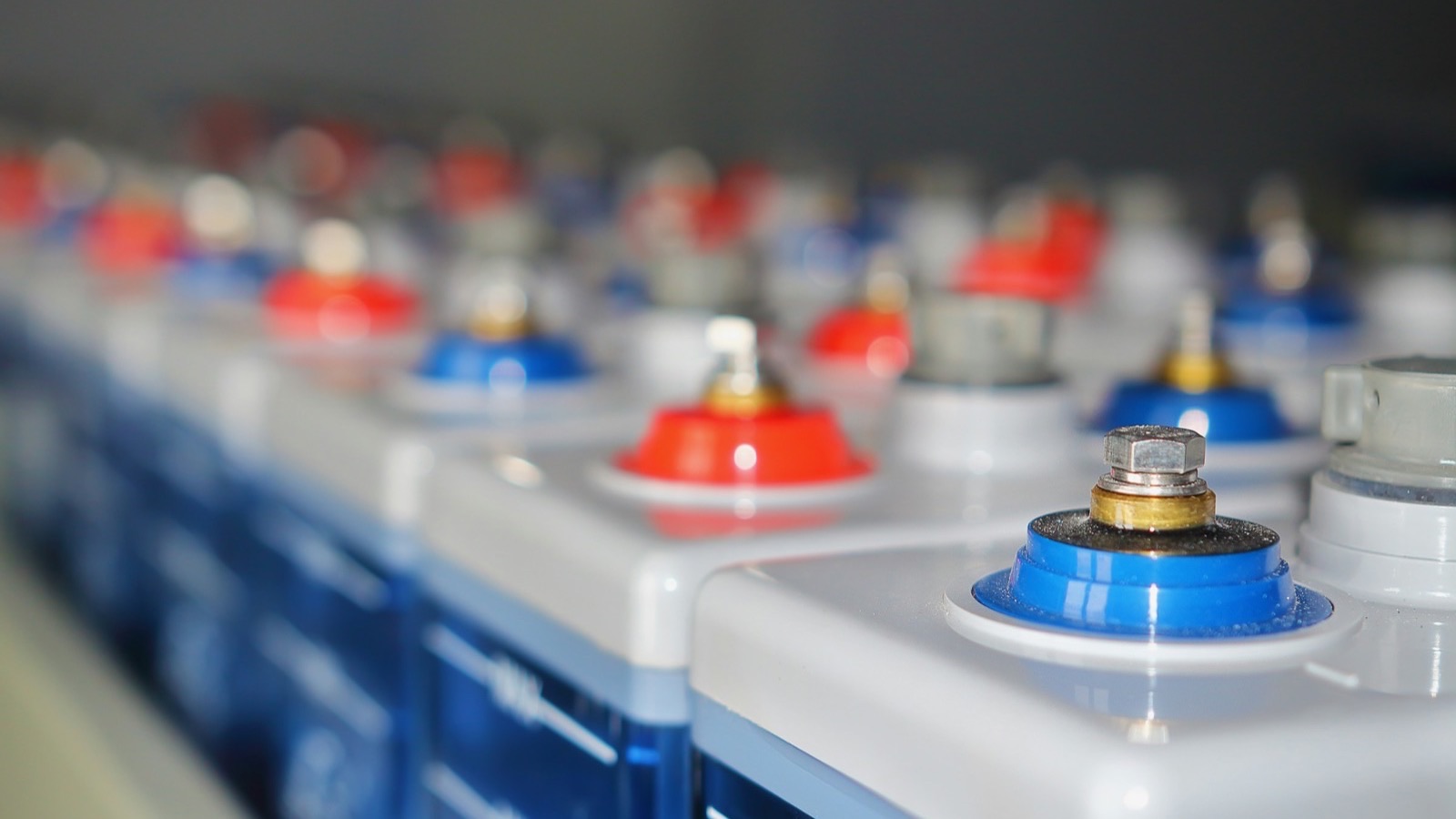
Most goods you import from China travel the same way: they reach our warehouse, they get consolidated, and they fly or sail to Bangladesh. Batteries and liquids do not. They travel under a separate set of rules, often on a different route, and sometimes on a different type of aircraft entirely.
If you import power banks, LED lights with built-in cells, electric fans, cosmetics, paints or cleaning products, this affects you directly. And one of the rules changed on the first of January this year.
Why batteries and liquids are treated differently
Air cargo rules exist because of what happens at altitude. A sealed container of liquid behaves differently when the cabin pressure drops. A lithium cell that fails on the ground is a fire in a warehouse; the same cell failing at thirty thousand feet is a fire nobody can walk away from.
So both categories fall under dangerous goods handling. That does not mean they cannot fly. It means they fly under declared conditions, in tested packaging, with paperwork that says exactly what is inside.
The mistake importers make is assuming "dangerous goods" means "prohibited". It usually does not. It means slower, more expensive, and impossible to arrange at the last minute.
The three ways a battery travels
How your battery shipment is classified depends on one thing: whether the batteries are travelling alone or with the product they power.
- Batteries shipped on their own fall under UN3480. These are loose cells and battery packs with no device attached.
- Batteries packed alongside equipment fall under UN3481. Think of a device in a box with a spare battery beside it.
- Batteries already inside the equipment also fall under UN3481, and are generally the easiest of the three to move.
That last point is worth remembering when you place an order. A shipment of torches with the cells already fitted is a simpler shipment than the same torches with the cells in a separate bag in the same carton. If your supplier can install them, ask.
Loose lithium-ion batteries under UN3480 carry a further restriction: they must be labelled Cargo Aircraft Only. Passenger aircraft cannot carry them at all. Since a large share of air capacity out of China is belly space on passenger flights, this alone can change your route and your timeline.
What changed on 1 January 2026
The rule that changed this year concerns how charged a battery is allowed to be when it flies.
Lithium-ion batteries shipped on their own have had a state-of-charge ceiling for some years: no more than 30% of rated capacity. The reasoning is straightforward. A cell at 30% charge that goes into thermal runaway releases far less energy than the same cell at full charge, so a fire is smaller and more survivable.
What was new in the 67th edition of the IATA Dangerous Goods Regulations, effective 1 January 2026, is that this ceiling became mandatory for batteries packed with equipment as well. It had been a recommendation in the 2025 edition. It is now a requirement.
In practice:
- Cells rated above 2.7 Wh that are packed with equipment must be offered at no more than 30% of rated capacity, or an indicated capacity of no more than 25%
- Lithium-battery-powered vehicles rated above 100 Wh fall under the same ceiling
- Very small cells at or below 2.7 Wh sit outside this particular requirement
If your supplier ships devices at full charge because that is how they have always done it, that habit is now a compliance failure. It is worth putting in writing when you place the order.
Why your shipment may route through Hong Kong
At DE INTERNATIONAL, air shipments containing liquids or batteries are routed through our Hong Kong facility rather than Guangzhou. Everything else goes by the Guangzhou air route.
This is not an arbitrary preference. Hong Kong is a long-established air cargo hub with the handling capacity, the certified staff and the carrier relationships that dangerous goods paperwork requires. Trying to push a battery consignment through a route that is not set up for it is how shipments sit in a warehouse for three weeks while somebody looks for an airline that will take them.
The practical consequence for you is that the route is decided by what you are sending, not by which is cheaper on the day. When you declare a shipment with us and mark that it contains batteries or liquids, the routing follows automatically and the tracking ID you receive reflects it.
What liquids need
Liquids are less complicated than batteries but trip up more shipments, because importers assume a sealed bottle is self-explanatory. It is not.
The document that decides everything is the Safety Data Sheet, still widely called the MSDS. Section 14 of that sheet is the transport section, and it states whether the substance is regulated for air transport and under what classification. Without it, a forwarder cannot book the shipment and an airline will not accept it.
Ask your supplier for the SDS at the point of ordering, not when the goods are already in the warehouse. Chinese factories producing cosmetics, cleaning products, adhesives and paints will normally have one available. If a supplier cannot produce one at all, treat that as information about the supplier.
Packaging matters as much as paperwork. Liquid shipments by air need packaging that is leak-proof and able to withstand pressure changes in flight, and certain classifications additionally require absorbent material inside the outer packaging, enough to soak up the entire contents if an inner container fails.
What this means when you place an order
None of this is difficult, but almost all of it has to be handled before the goods leave the factory rather than after.
- Tell us at declaration. Battery or liquid content decides the route, so it needs to be known before the goods arrive, not discovered at the warehouse.
- Ask the supplier to install batteries in the device where the product allows it.
- Specify the charge level in your purchase order if you are buying anything with a lithium cell above 2.7 Wh.
- Request the SDS with the quotation for any liquid, gel, paste or aerosol.
- Consider sea freight for large battery orders. The rules are considerably less restrictive by sea, and if your timeline allows it, the cost difference is often substantial. Our comparison of sea and air freight covers how to make that decision.
The mistake that costs the most
The single most expensive thing an importer can do with batteries or liquids is not declare them.
It is tempting when a supplier says the goods will move faster if the paperwork is vague. It will not. Undeclared dangerous goods are found during handling, and when they are found the consignment stops. The goods sit. Storage accrues. In the worst case they are refused outright and you are paying to send them back.
Declaring correctly costs a small amount of time at the start. Not declaring costs the shipment.
If you are sending goods to our China warehouse, declare the shipment before it leaves your supplier. Mark the battery and liquid boxes honestly. You will get an official tracking ID back, the routing will be set correctly from the start, and your goods will be recognised the moment they arrive rather than sitting unidentified while somebody works out whose they are.
For a fuller picture of how air shipments are documented and costed, see our guides to the air waybill and how volumetric weight is calculated. If you are importing devices with cells built in, our guide to importing electronics from Shenzhen covers the wider set of things worth checking before you order.
Ready to ship? Explore our sea freight, air freight, sourcing, and customs clearance services from China to Bangladesh.
Get a Sourcing & Shipping Quote ← All posts
Related Articles
No guide matches that search yet. Ask us on WhatsApp and we will answer.
Tell us what you're shipping.
Product, quantity and delivery city are enough to start. We reply within 24 hours with a door-to-door quote.